
Introduction: Why Planning Shapes the Entire Remodeling Experience
pre-construction planning determines renovation success because every strong remodel begins long before demolition starts. Many homeowners focus primarily on finishes, layouts, or visual inspiration without realizing that the most important decisions happen during preparation. The planning stage establishes the direction, coordination, and structural understanding that guide every phase afterward. Harris & Sons consistently emphasize that successful remodeling depends less on reacting during construction and more on anticipating challenges before work begins. Careful preparation reduces confusion, limits delays, and creates a more predictable experience for everyone involved.
Many renovation problems that appear during construction are actually planning issues that were never addressed early enough. Unexpected structural discoveries, material shortages, schedule conflicts, and inaccurate budgeting often stem from incomplete preparation rather than poor craftsmanship alone. Harris & Sons approach projects with detailed evaluation processes because they understand how interconnected every system within a home can be. Electrical routing may affect cabinetry placement, structural framing may influence lighting plans, and ventilation requirements may impact ceiling design. Addressing these relationships early creates smoother execution later.
Pre-construction planning also helps homeowners make informed decisions without unnecessary pressure. During active construction, rushed choices can lead to compromises that affect long-term satisfaction. Harris & Sons guide clients through selections, scheduling expectations, material considerations, and structural realities before physical work begins. This process creates confidence because homeowners understand not only what will happen, but why certain decisions matter. Transparency during planning reduces stress throughout the entire renovation journey.
The difference between a chaotic remodel and a well-executed transformation is often invisible to outside observers because most preparation occurs before visible progress begins. Drawings, measurements, permitting, scheduling coordination, engineering assessments, and logistical sequencing rarely appear in final photographs, yet these behind-the-scenes efforts shape the quality of the outcome. Harris & Sons treat planning as a foundational discipline rather than a preliminary formality. Their process reflects the understanding that strong renovations are built first through preparation, then through construction.
Understanding Existing Conditions Before Design Begins
Every home contains existing conditions that influence what is realistically possible during remodeling. Older framing methods, previous repairs, hidden moisture damage, uneven flooring systems, outdated utilities, and inconsistent structural modifications can all affect renovation strategy. Harris & Sons begin projects with thorough site evaluations because assumptions made too early can create significant complications later. Accurate understanding allows design concepts to evolve within the realities of the structure rather than against them.
Homes that appear visually stable may still contain hidden inconsistencies behind walls, beneath flooring, or within attic spaces. Harris & Sons often discover irregular framing dimensions, aging plumbing infrastructure, or ventilation systems that no longer meet modern expectations. Identifying these issues before finalizing plans prevents expensive redesigns once construction begins. It also protects homeowners from unexpected interruptions that can delay timelines and inflate costs unnecessarily. Preparation creates flexibility because potential obstacles are identified while solutions remain easier to implement.
Site analysis also helps establish realistic project scope. Homeowners may initially envision extensive layout changes without realizing how structural systems interact throughout the building. Harris & Sons evaluate load paths, ceiling conditions, utility routing, and foundational stability before confirming feasibility. This allows them to provide recommendations grounded in technical understanding rather than optimistic assumptions. As a result, clients receive clearer expectations regarding both possibilities and limitations.
The International Code Council offers guidance regarding structural safety, permitting standards, and construction compliance. Harris & Sons integrate these principles into early planning stages to ensure that design ambition remains aligned with long-term structural reliability. Their evaluation process ensures that creative ideas are supported by practical engineering and responsible execution.
Budget Clarity Begins During Pre-Construction Planning Determines Renovation Success
One of the most valuable benefits of detailed preparation is financial clarity. Renovation costs become far more predictable when planning is completed thoroughly before work begins. Harris & Sons help homeowners understand where investment should be prioritized by evaluating structural requirements, material availability, labor coordination, and long-term performance considerations early in the process. This creates budgets based on informed decisions rather than rough estimates.
Without proper planning, renovation costs often increase because important variables were overlooked during early discussions. Changes made during active construction typically require additional labor, revised scheduling, and material adjustments that could have been avoided through stronger preparation. Harris & Sons reduce this risk by developing comprehensive scopes of work before demolition begins. This proactive strategy helps homeowners allocate resources more effectively while minimizing unexpected financial strain.
Detailed budgeting also allows clients to differentiate between cosmetic upgrades and foundational improvements. Some investments provide long-term functional value, while others primarily influence aesthetics. Harris & Sons guide homeowners through these distinctions carefully, helping them prioritize decisions that improve durability, efficiency, and daily usability rather than focusing exclusively on appearance. This balanced approach creates renovations that remain valuable long after trends change.
Financial preparation also improves scheduling efficiency because procurement timelines can be anticipated more accurately. Custom materials, specialty fixtures, engineered components, and permit approvals all affect construction sequencing. By accounting for these variables early, Harris & Sons reduce delays caused by unavailable materials or incomplete coordination. The result is a more stable construction timeline with fewer disruptive surprises.
Communication and Collaboration During the Planning Process
Successful remodeling depends heavily on communication between homeowners, designers, contractors, engineers, and suppliers. Misunderstandings during early planning often lead to inconsistencies during construction. Harris & Sons prioritize collaborative discussions because clear communication establishes alignment before physical work begins. Every participant understands project goals, responsibilities, and expectations from the outset.
Many homeowners underestimate how many decisions must be coordinated simultaneously during a remodel. Layout revisions, lighting placement, plumbing locations, appliance specifications, material transitions, and structural modifications all influence one another. Harris & Sons organize these conversations carefully so decisions are made within the context of the entire project rather than as isolated choices. This prevents conflicts that could emerge later when systems overlap unexpectedly.
Pre-construction meetings also create opportunities to refine priorities before resources are committed. Some ideas that initially seem appealing may introduce unnecessary complexity once evaluated within the broader design strategy. Harris & Sons help clients distinguish between meaningful improvements and changes that could compromise efficiency or functionality. This guidance keeps projects focused while still allowing personalization and creativity.

Clear communication builds trust because homeowners feel involved rather than excluded from the process. Harris & Sons maintain transparency regarding scheduling, structural realities, cost implications, and potential contingencies throughout planning discussions. This collaborative environment reduces uncertainty and creates stronger relationships between clients and project teams.
Why Construction Sequencing Matters Before Work Starts
Construction sequencing is one of the least visible yet most influential aspects of remodeling. The order in which work occurs affects efficiency, safety, scheduling, and final quality. Harris & Sons develop detailed sequencing strategies during pre-construction planning because poorly coordinated workflows can create delays, rework, and unnecessary disruption.
Structural modifications generally need completion before mechanical systems are installed. Flooring often depends on cabinetry timing, while painting schedules may shift based on trim installation or electrical finishing. Harris & Sons map these relationships carefully to avoid situations where completed work must later be removed or altered. Proper sequencing protects both craftsmanship and scheduling consistency.
Material delivery coordination also plays a significant role in workflow management. Delays involving cabinetry, specialty tile, windows, or fixtures can interrupt multiple phases simultaneously if not anticipated early. Harris & Sons coordinate procurement schedules during planning stages to ensure materials arrive when needed rather than after crews are already scheduled. This level of organization reduces downtime and keeps progress moving steadily.
The U.S. Environmental Protection Agency provides valuable resources regarding indoor environmental quality, ventilation practices, and safe construction procedures. Harris & Sons incorporate these considerations into sequencing strategies to protect both worker safety and homeowner comfort throughout renovation phases.
Well-planned sequencing creates construction environments that feel controlled rather than chaotic. Homeowners experience fewer interruptions, trades work more efficiently, and project momentum remains stable from beginning to completion.
Material Selection and Long-Term Performance
Material decisions influence far more than visual appearance. Durability, maintenance requirements, environmental performance, acoustic behavior, and installation compatibility all affect how well a renovation performs over time. Harris & Sons integrate material discussions into pre-construction planning because selection decisions influence both structural coordination and construction scheduling.
Some finishes require specific subfloor conditions, moisture protection systems, or reinforcement strategies before installation. Harris & Sons evaluate these technical requirements early so supporting systems can be prepared appropriately. This prevents installation conflicts that could compromise durability later. Proper preparation ensures materials perform as intended rather than simply looking appealing initially.
Long-term maintenance considerations are equally important during selection discussions. Some materials age gracefully with minimal upkeep, while others require ongoing maintenance to preserve appearance or functionality. Harris & Sons help homeowners evaluate these differences realistically so choices align with lifestyle expectations and long-term ownership goals.
ENERGY STAR provides guidance regarding energy-efficient building products and environmental performance standards. Harris & Sons consider these principles when recommending windows, insulation systems, lighting solutions, and appliances that contribute to long-term efficiency and comfort.
Material planning also affects budget stability because procurement lead times and installation requirements vary significantly between products. Early coordination allows Harris & Sons to align scheduling, budgeting, and structural preparation with final selections before construction progresses too far to adjust efficiently.
A Harris & Sons Project Example: Preparation That Prevented Major Delays
In one Harris & Sons remodeling project, homeowners planned a significant kitchen and living area transformation within an older residence. Initial visual inspection suggested the renovation would primarily involve layout adjustments and finish upgrades. However, during pre-construction evaluation, the team identified aging structural framing and outdated electrical routing hidden behind existing walls.
Rather than waiting for demolition to expose these conditions unexpectedly, Harris & Sons incorporated corrective solutions into the planning phase immediately. Structural reinforcement strategies were coordinated with engineers, electrical systems were redesigned for modern capacity, and scheduling adjustments were made before work officially began. This prevented delays that could have disrupted both timeline and budget later.
The homeowners initially viewed the additional planning period as slowing progress, but the value became clear once construction started. Trades moved through the project efficiently because underlying issues had already been resolved conceptually. Materials arrived according to schedule, structural adjustments fit seamlessly into the workflow, and inspections progressed without major interruptions.
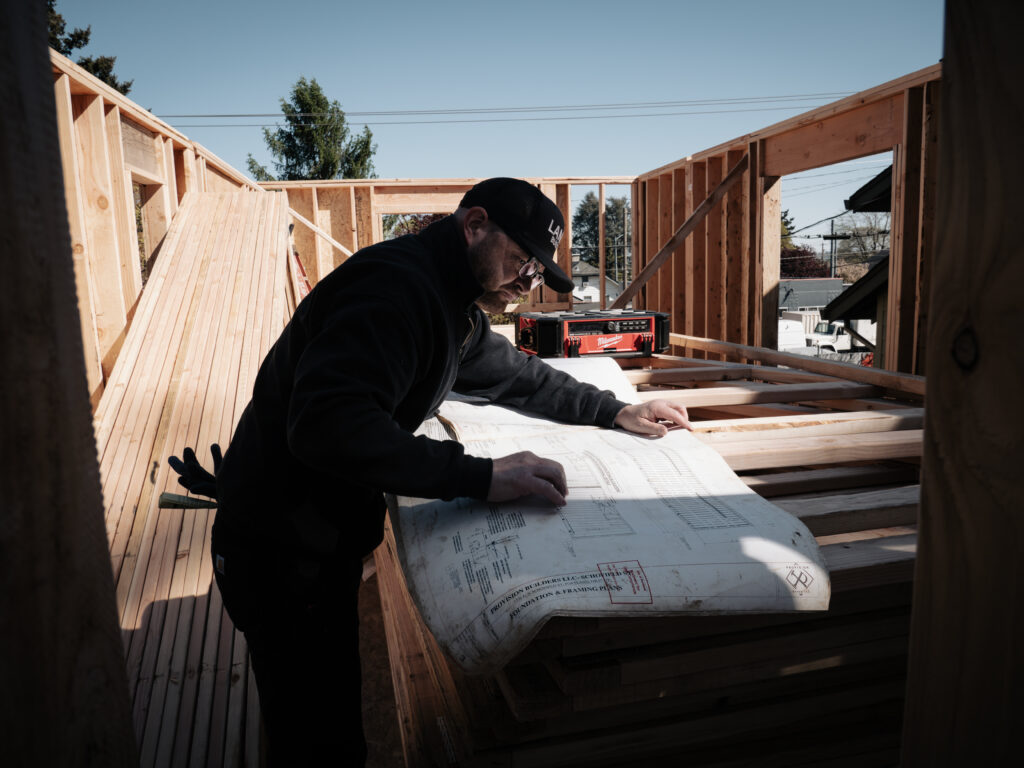
By completion, the renovation felt highly organized despite the complexity involved behind the scenes. The homeowners experienced fewer surprises because most potential obstacles had already been anticipated during preparation. This project reflected Harris & Sons’ broader philosophy that careful planning creates smoother execution and stronger long-term results.
Long-Term Benefits of Thorough Preparation
The effects of strong planning continue long after construction is complete. Renovations developed through thoughtful preparation generally experience fewer performance issues because structural coordination, material compatibility, and system integration were addressed early. Harris & Sons build with this long-term perspective in mind, ensuring that decisions made during planning support durability as well as aesthetics.
Homes remodeled through detailed preparation often age more gracefully because systems function cohesively rather than independently. Proper ventilation, accurate structural alignment, efficient lighting placement, and coordinated mechanical routing all contribute to better long-term performance. Harris & Sons recognize that successful remodeling is measured not only by appearance at completion but by how consistently the home performs over time.
Preparation also improves homeowner confidence years later because documentation, permitting, engineering, and construction records remain organized and accessible. Future maintenance, resale evaluations, or additional renovations become easier when projects were executed methodically from the beginning. Harris & Sons maintain detailed oversight throughout planning and construction to preserve this continuity.
Well-prepared projects also tend to retain stronger value because buyers recognize quality even when they cannot identify every technical detail directly. Homes that feel structurally solid, logically organized, and consistently finished often reflect strong preparation behind the scenes. Harris & Sons create this sense of reliability through disciplined planning practices long before visible construction begins.
Conclusion: Renovation Success Begins Before Construction Starts
pre-construction planning determines renovation success because preparation shapes every outcome that follows. Strong renovations are not created through improvisation during construction but through detailed evaluation, coordination, communication, and technical understanding established beforehand. Harris & Sons approach planning as one of the most important phases of the remodeling process because they understand how deeply preparation influences quality, efficiency, and long-term satisfaction.
From structural analysis and budgeting to material selection and scheduling coordination, every early decision contributes to how smoothly construction unfolds later. Harris & Sons guide homeowners through these complexities carefully, ensuring that projects are grounded in realistic expectations and supported by thoughtful execution strategies. This proactive approach reduces uncertainty while improving overall project stability.
The most successful renovations often appear effortless after completion, but that sense of ease is usually the result of extensive preparation behind the scenes. Careful sequencing, collaborative communication, technical evaluation, and strategic coordination all contribute to finished spaces that feel cohesive and durable. Harris & Sons consistently prioritize these invisible foundations because they know strong outcomes begin long before physical work starts.
For homeowners considering a renovation, investing time in planning may be the most important decision of the entire process. Choosing a team that values preparation as much as craftsmanship can dramatically improve both the experience and the final result. Harris & Sons continue to deliver renovations built on thoughtful preparation, ensuring every project begins with clarity and ends with lasting quality.

