 Skip to content
Step-by-Step Guide to Adding Value to Your Home
Garage conversions are one of the most efficient ways to transform unused space into a functional and valuable area within your home. Whether you’re looking to add living quarters, an office, or a short-term rental, garage conversions provide an affordable and practical solution. In Oregon, where the need for higher city density meets a growing housing shortage, this is a particularly strategic option. Partnering with Harris & Sons and leveraging the Oregon Preconstruction Process ensures a seamless and successful project.
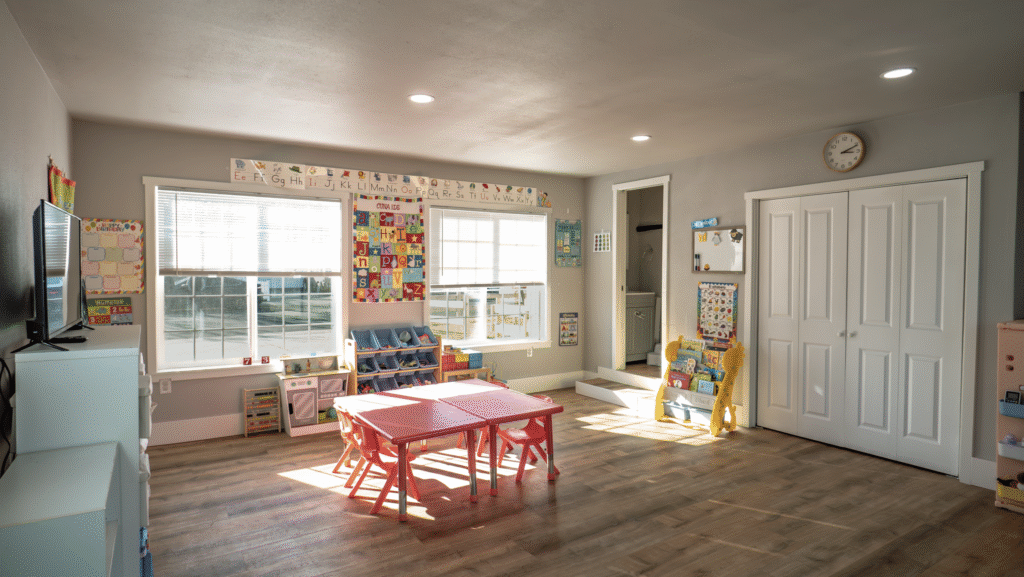
What is a Garage Conversion?
A garage conversion refers to the process of repurposing an existing garage into a livable space. This could include transforming it into an additional bedroom, an accessory dwelling unit (ADU), a home office, or even a rental unit. Unlike building an entirely new structure, a garage conversion utilizes the existing footprint of your home, saving time and construction costs.
Garage conversions are a popular option for homeowners seeking to add square footage without the expense and hassle of a full-scale home addition. They are especially practical in urban areas like Oregon , where housing shortages have led to increased demand for creative solutions to maximize space. By converting your garage, you can add functionality, increase property value, and contribute to alleviating housing shortages in your community. Learn more about ADUs at Oregon ADU Resources.
How Do Garage Conversions Work?
Garage conversions typically follow a structured process to ensure success. Here is a breakdown of the key steps:
Assessment and Planning
- Determine how you want to use the space. Are you creating an additional bedroom, an ADU, or a dedicated home office? The intended purpose will dictate the design and construction requirements.
- Assess the current condition of your garage, including the foundation, walls, roof, and existing electrical and plumbing systems. Identifying any issues early on will help you plan for necessary upgrades or repairs.
- Understand the feasibility of the project by consulting professionals and reviewing your local building codes.
Design and Permits
- Work with a contractor, architect, or designer to create a detailed layout that aligns with your vision. This phase includes determining the placement of walls, windows, doors, and utilities.
- Obtain the necessary permits from your city or county. For example, in Oregon, ADU conversions must comply with zoning laws, building codes, and specific design guidelines. Permits ensure your project meets safety and legal standards, avoiding costly fines or future issues. Visit Oregon Permits for more details.
- A detailed design plan not only streamlines the construction process but also ensures the finished space meets your needs and adheres to local regulations.
Construction
Once permits are secured, the construction phase begins. This often includes:
- Adding insulation to regulate temperature and improve energy efficiency.
- Upgrading electrical systems to accommodate increased usage.
- Installing or upgrading plumbing if the space will include a bathroom or kitchen.
- Making structural reinforcements to ensure the garage can safely support its new use.
- Installing HVAC systems to provide heating and cooling.
- Addressing drainage concerns to prevent water damage.
Finishing Touches
After the major construction work is complete, it’s time to personalize the space. This includes:
- Installing flooring that suits the intended use of the room, such as laminate, hardwood, or tile.
- Painting walls and ceilings to create a welcoming atmosphere.
- Adding furniture, fixtures, and décor to complete the transformation.
How to Get Started
If you’re considering a garage conversion, here are the steps to help you kick off your project:
Research Local Regulations
- Visit your local city planning department’s website to review guidelines and requirements for garage conversions. In Oregon, this includes understanding ADU zoning laws, setback requirements, and parking considerations.
- Familiarize yourself with any restrictions or special permits needed for your project.
Hire a Professional
- Partner with a contractor experienced in garage conversions to ensure a smooth and efficient process. Look for professionals with a strong portfolio, positive client reviews, and familiarity with local building codes.
- Consider hiring an architect or designer to create detailed plans that maximize the potential of your space.
- Reach out to Harris & Sons for expert guidance through the Oregon Preconstruction Process.
Set a Budget
- Garage conversions can range in cost from $20,000 to $50,000 or more, depending on the size and complexity of the project. Establishing a clear budget early on will help you make informed decisions about materials, features, and finishes.
- Factor in additional costs for permits, design services, and unexpected expenses.
Plan for Financing
- Explore financing options, such as home equity loans, personal loans, or renovation loans, to cover the costs of your garage conversion.
- Some local governments or organizations may offer incentives or grants for creating ADUs, especially in areas facing housing shortages.
Define the Scope
- Clearly outline the scope of your project. Determine what features are essential and what can be added later. For example, if your budget is limited, you might prioritize structural upgrades and add cosmetic touches over time.
Basics of Construction
The construction phase of a garage conversion involves several critical components to ensure the space is functional, safe, and compliant with building codes. Here are some basics to consider:
Insulation and HVAC
- Proper insulation is essential for maintaining a comfortable temperature and reducing energy costs. Garages are often not insulated, so this step is crucial for converting the space into livable quarters.
- Install a heating and cooling system, such as a ductless mini-split system, to regulate the temperature. Energy-efficient options can help lower utility bills.
Flooring
- Many garages have concrete floors, which may need leveling or additional materials to improve comfort and aesthetics.
- Consider flooring options such as laminate, tile, vinyl, or even heated flooring for added comfort.
Electrical and Plumbing Upgrades
- Upgrade the electrical system to accommodate increased usage, especially if the space will include appliances, lighting, or electronics.
- If your garage conversion includes a bathroom or kitchen, install or upgrade plumbing systems to meet residential standards. This may involve adding water lines, drainage, and fixtures.
Lighting and Windows
- Adequate lighting is essential for creating a welcoming and functional space. Consider installing recessed lighting, pendant lights, or wall sconces.
- Add windows or skylights to enhance natural light and improve ventilation. Larger windows can make the space feel more open and connected to the outdoors.
Structural Reinforcements
- Depending on the condition of your garage, you may need to reinforce walls, roofing, or the foundation to ensure the space meets residential standards.
- Consult with a structural engineer if major modifications are required.
Finishes and Fixtures
- Choose finishes and fixtures that align with the intended use of the space. For example, durable and easy-to-clean materials are ideal for rental units, while high-end finishes may be better suited for personal living spaces.
- Install cabinets, shelving, and other storage solutions to maximize functionality.
Benefits of Garage Conversions
Garage conversions offer numerous advantages for homeowners, including:
Increased Property Value
- A well-executed garage conversion can significantly boost the resale value of your home. Potential buyers are often drawn to the additional living space and versatility.
Affordable Expansion
- Compared to building a new addition, garage conversions are a cost-effective way to increase square footage.
Flexibility
- Garage conversions can be tailored to suit a variety of needs, from creating a home office to generating rental income through an ADU.
Sustainability
- By repurposing existing space, garage conversions minimize the environmental impact associated with new construction.
Addressing Housing Shortages
- In cities like Oregon, garage conversions can help address housing shortages by providing additional rental units or living spaces.
Garage conversions provide an excellent way to maximize your home’s value while solving practical needs. With careful planning, the right team, and attention to detail, you can transform your unused garage into a functional and attractive space that enhances your lifestyle and property. Contact Harris & Sons today to start your Oregon Preconstruction Process and bring your vision to life!

