 Skip to content
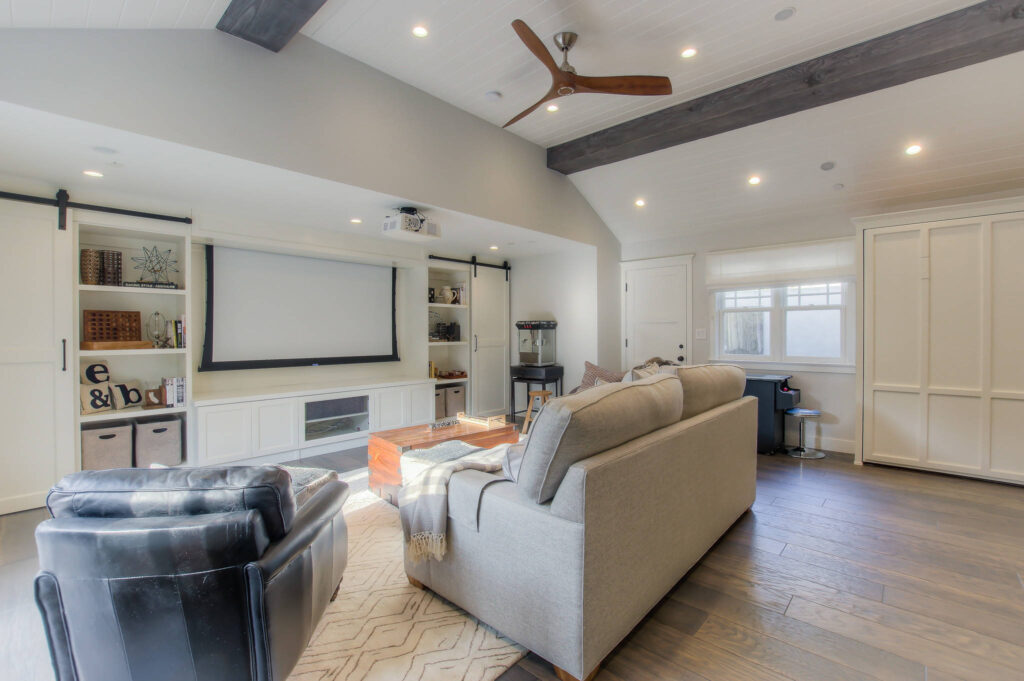
Comfort inside a home is rarely the result of a single feature. It is not determined only by temperature, square footage, or décor. Instead, comfort emerges from how energy—heat, air, and light—moves through a living space. When that movement is balanced, a home feels calm, breathable, and naturally welcoming. When it is disrupted, even beautifully renovated interiors can feel uneven or tiring to occupy.
Remodeling for energy flow focuses on these invisible forces. It examines how layout, daylight, and material performance interact to shape daily living. At Harris & Sons, this philosophy guides renovation decisions from the earliest planning stages. Rather than treating comfort as something mechanical systems must fix later, their team designs homes that support comfort naturally.
What makes this concept especially meaningful is that two homes with similar finishes can feel entirely different. One may feel bright and steady, while the other feels dim or inconsistent. Harris & Sons understands that these differences stem from deeper structural and environmental choices. Their remodeling approach ensures beauty and livability evolve together, creating homes that remain comfortable long after construction ends.
Understanding Energy Flow in Residential Design
Energy flow refers to how warmth, airflow, and illumination circulate within a structure. It also includes how materials absorb, retain, and release heat over time. When these elements cooperate, a home maintains stability with minimal mechanical effort.
Poor energy movement often produces familiar frustrations—hot and cold spots, glare, darkness, or rising utility costs. Many homeowners blame equipment, yet the root cause frequently lies in layout or orientation. Harris & Sons begins each remodel by studying how existing spaces influence environmental behavior before recommending design changes.
Timing is another essential factor. Comfort shifts throughout the day as sunlight angles change and temperatures fluctuate. Renovations that ignore these rhythms create interiors that feel pleasant only at certain hours. Harris & Sons evaluates daily and seasonal energy patterns to ensure consistent comfort rather than temporary relief.
Research from the U.S. Department of Energy confirms that homes designed with energy flow in mind require less mechanical heating and cooling to remain comfortable. This highlights the importance of addressing comfort structurally rather than reactively.
Why Comfort Issues Are Often Misdiagnosed
Discomfort rarely appears suddenly. Instead, it develops gradually, allowing occupants to adapt without realizing improvement is possible. Uneven lighting, stale air, or shifting temperatures become normalized over time. Harris & Sons frequently encounters homes where multiple past renovations treated symptoms rather than causes.
Misdiagnosis also happens because comfort is influenced by overlapping factors. Insulation, airflow, sunlight, and materials interact in complex ways. Without holistic evaluation, homeowners may invest in upgrades that fail to resolve underlying issues. Harris & Sons approaches remodeling like an investigation—separating visible concerns from structural origins.
By identifying root causes early, their team prevents repeated renovation cycles. This method transforms remodeling from a cosmetic refresh into a long-term solution that improves everyday living.
Layout as the Foundation of Energy Flow
Layout governs how air and heat travel between rooms. Walls, openings, and room proportions either support or restrict circulation. Closed layouts may trap warmth, while poorly planned open spaces can create imbalance.
Harris & Sons refines layouts to guide energy naturally. Adjusting wall placement, widening transitions, or redefining circulation paths allows interiors to stabilize without overreliance on HVAC systems. These improvements often make homes feel larger and calmer simultaneously.
Layout also influences emotional comfort. Spaces that allow gentle movement of light and air feel more relaxed, even when compact. Harris & Sons considers psychological experience alongside physical efficiency, ensuring renovations support both measurable performance and lived satisfaction.
Open Concepts and Energy Balance
Open-concept living remains popular, yet openness alone does not guarantee comfort. Without careful planning, large connected spaces can develop glare, echo, or uneven temperatures. Harris & Sons approaches open layouts with structural sensitivity, introducing subtle zoning through ceiling variation, material transitions, or partial divisions.
Furniture placement and ceiling height further shape how energy distributes. Harris & Sons coordinates these details so openness feels intentional rather than overwhelming. Their work proves that spaciousness and stability can coexist when guided by thoughtful design.
The Role of Natural Light in Comfort
Daylight shapes mood, productivity, and energy consumption. Homes lacking balanced natural light often rely heavily on artificial illumination, increasing costs and reducing visual comfort. Harris & Sons integrates daylighting strategies that distribute brightness evenly without harsh contrast.
Natural light also regulates circadian rhythms, supporting healthier sleep and daily alertness. By aligning architecture with biological needs, Harris & Sons creates interiors that feel naturally synchronized with human life.
The U.S. Department of Energy notes that effective daylighting reduces energy demand while improving occupant well-being. This reinforces the value of integrating light into structural renovation decisions.
Window Placement and Solar Control
Windows determine how sunlight and heat enter a home. Orientation, glazing, and shading must work together to prevent overheating or glare. Harris & Sons studies solar exposure carefully before finalizing window design.
South-facing openings may welcome winter warmth, while shading elements protect interiors during summer. ENERGY STAR highlights that high-performance windows improve efficiency and comfort simultaneously. Coordinating these upgrades with layout changes ensures light enhances livability rather than disrupting it.
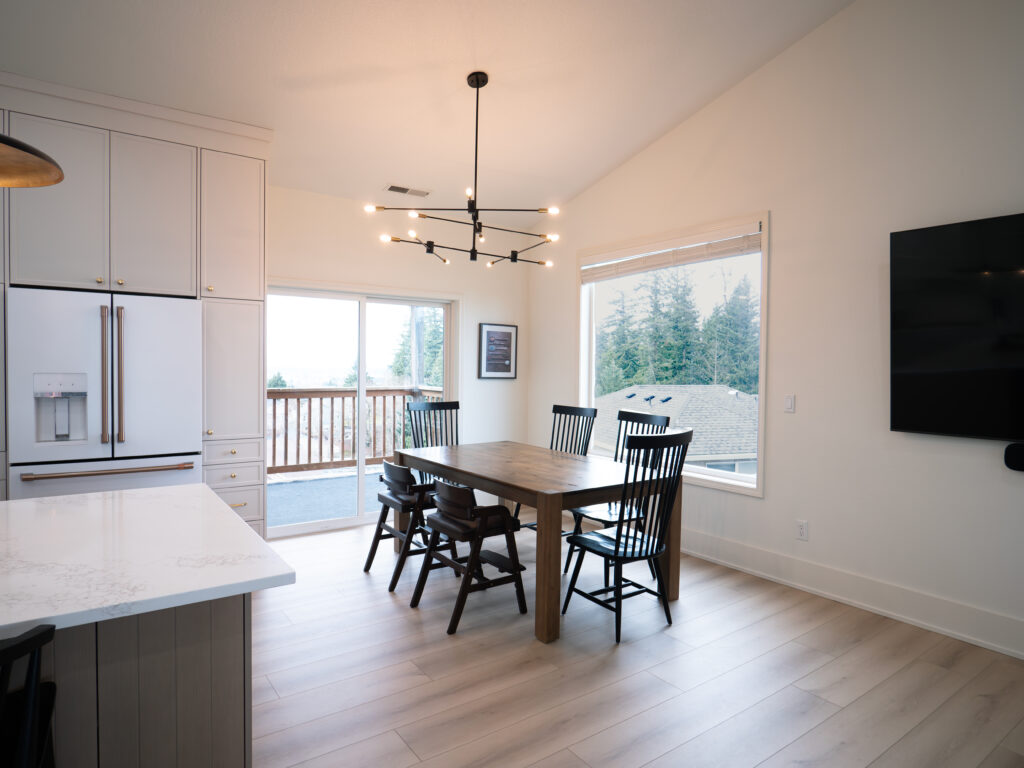
Thoughtful window planning also considers how interior spaces are actually used throughout the day. Rooms intended for morning activity benefit from gentle eastern light, while evening gathering areas may require softer western exposure with controlled shading. Harris & Sons evaluates daily living patterns alongside solar orientation, so window placement supports real routines rather than abstract design theory. This level of planning ensures that brightness feels purposeful and comfortable instead of unpredictable or overwhelming.
Material Selection and Thermal Performance
Materials quietly influence comfort every day. Dense surfaces store warmth, reflective finishes distribute light, and insulating layers stabilize temperature. Harris & Sons evaluates materials not only for appearance but for long-term performance.
Durability also matters. Surfaces exposed to repeated temperature shifts must resist warping or fading. Harris & Sons selects finishes that preserve both function and beauty across decades, protecting renovation investments.
Material interaction across adjacent surfaces also plays a subtle but meaningful role in perceived comfort. When contrasting materials expand or contract at different rates, small gaps or stress points can develop over time, affecting both durability and insulation performance. Harris & Sons anticipates these long-term behaviors, selecting combinations that remain stable through seasonal change. This foresight protects structural integrity while maintaining consistent indoor conditions year after year.
Equally significant is how materials influence maintenance demands. Finishes that resist moisture, fading, and wear reduce the need for frequent repair or replacement, allowing homeowners to focus on living rather than upkeep. Harris & Sons prioritizes materials that deliver lasting resilience without sacrificing visual warmth, ensuring that comfort remains dependable long after the renovation is complete.
Flooring and Energy Movement
Flooring affects perceived warmth, acoustics, and stability. Cold surfaces can make rooms uncomfortable despite adequate heating. Harris & Sons considers insulation, conductivity, and room usage when recommending flooring systems.
Balanced flooring choices reduce energy loss while improving underfoot comfort. These subtle upgrades contribute significantly to long-term livability.
Flooring continuity between rooms further shapes how energy travels through a home. Sudden transitions between materials can interrupt thermal flow and create subtle comfort differences from one space to another. Harris & Sons often refines flooring layouts to support smoother environmental transitions, allowing warmth and airflow to move more naturally between connected areas. This continuity contributes to a sense of cohesion that occupants feel even if they cannot immediately identify its source.
Texture also influences daily experience. Surfaces that provide gentle traction improve stability and confidence while walking, especially in high-use pathways. Harris & Sons balances tactile comfort with thermal efficiency so flooring supports both safety and environmental performance. These layered considerations ensure that underfoot comfort remains reliable across changing seasons and stages of life.
Wall Finishes and Light Reflection
Wall color and texture determine how illumination spreads. Reflective finishes brighten interiors, while darker tones absorb light. Harris & Sons carefully balances these qualities to avoid glare while maximizing daylight.
Such nuanced adjustments may appear minor, yet they shape daily experience. Over time, thoughtful finish selection enhances both efficiency and emotional comfort.
Surface texture can subtly guide how light travels through a room, softening brightness or creating gentle diffusion that reduces visual strain. Harris & Sons studies these reflective qualities carefully, choosing finishes that distribute illumination evenly without producing harsh glare. This refined balance helps interiors remain visually calm from morning through evening, supporting comfort in ways that purely decorative choices cannot achieve.
Wall durability also contributes to long-term livability. Finishes that resist scuffs, fading, or discoloration maintain visual clarity over time, preserving the intended atmosphere of the space. Harris & Sons selects coatings and materials designed to age gracefully, ensuring that reflective performance and appearance remain consistent for years after installation.
Airflow and Mechanical Harmony
Mechanical systems perform best when supported by good design. Poor layouts force HVAC equipment to compensate, increasing wear and energy consumption. Harris & Sons aligns airflow pathways with structural planning, so systems operate efficiently.
The Environmental Protection Agency notes that proper airflow improves indoor air quality and reduces operating costs. By integrating airflow early, Harris & Sons extends system lifespan and homeowner peace of mind.
Balanced airflow also enhances acoustic comfort by reducing drafts, rattling vents, or uneven pressure that can create background noise. Harris & Sons considers these sensory details when aligning mechanical systems with architectural design. Quiet, steady air movement contributes to an overall sense of calm that homeowners often notice immediately after renovation.
In addition, efficient airflow distribution helps maintain consistent humidity levels, which protects finishes, furnishings, and structural components. Harris & Sons integrates humidity awareness into mechanical planning so environmental stability extends beyond temperature alone. This comprehensive approach supports both comfort and durability throughout the home.
Zoning for Comfort and Efficiency
Different areas of a home require different conditions. Bedrooms, kitchens, and workspaces each have unique comfort needs. Harris & Sons incorporates zoning within layout planning so spaces respond naturally without complex controls.
Zoning also supports household harmony. Individual preferences can coexist without conflict, enhancing long-term livability.
Effective zoning also adapts to changing household rhythms. Spaces that function quietly during the day may become active in the evening, and comfort needs often shift alongside these routines. Harris & Sons designs zoning strategies flexible enough to respond to these variations without requiring constant adjustment. This responsiveness allows homes to feel supportive rather than restrictive as daily life evolves.
Another advantage of thoughtful zoning is energy conservation. Conditioning only the space in use reduces unnecessary consumption while maintaining comfort where it matters most. Harris & Sons integrates this efficiency subtly within structural and mechanical planning, ensuring savings occur naturally rather than through complicated controls.
Seasonal Performance and Energy Flow
Homes designed for energy balance remain comfortable year-round. Poorly planned interiors may feel pleasant in winter but unbearable in summer. Harris & Sons anticipates seasonal stress, ensuring renovations adapt smoothly to climate changes.
This resilience stabilizes energy costs and reduces reliance on temporary solutions. Comfort becomes dependable rather than conditional.
Seasonal durability extends beyond temperature regulation to include protection from moisture, expansion, and material fatigue caused by environmental fluctuation. Harris & Sons evaluates how each renovation component responds to shifting conditions so performance remains steady throughout the year. This resilience prevents gradual decline that might otherwise require premature repair.
Homes that maintain consistent comfort across seasons also support emotional well-being. Predictable indoor environments reduce stress associated with sudden temperature swings or uncomfortable transitions between rooms. Harris & Sons recognizes that dependable comfort contributes as much to quality of life as visual design, making seasonal performance a core renovation priority.
Long-Term Living and Effortless Comfort
As lifestyles evolve, homes should require less effort—not more—to remain comfortable. Remodeling for energy flow creates interiors that regulate themselves naturally. Harris & Sons views this as an investment in future ease and independence.
Homes that maintain stability over time reduce the need for disruptive renovations later. This forward-thinking approach connects environmental design directly to quality of life.
Effortless comfort becomes increasingly valuable as homeowners look toward the future. Spaces that regulate themselves naturally reduce the physical and mental effort required to manage indoor conditions. Harris & Sons approaches remodeling with this long-range perspective, ensuring that comfort today remains accessible decades from now without major structural change.
Why Professional Planning Matters
Energy flow is complex, involving architecture, materials, and mechanical coordination. Addressing one factor alone can create new problems. Harris & Sons provides holistic planning, so every decision supports the whole home.
Their integrated oversight prevents inefficiencies common in fragmented renovations. Professional guidance turns remodeling into lasting functional improvement.
Professional coordination also ensures that renovation decisions remain aligned from concept through construction. Without unified planning, small inconsistencies between design elements can accumulate into noticeable performance issues. Harris & Sons maintains continuity across every phase of the project so energy flow remains intentional rather than accidental.
Their experience allows potential challenges to be resolved before they become visible problems. By anticipating how structure, materials, and systems interact, Harris & Sons delivers renovations that perform reliably from the moment homeowners return to their space. This preventative expertise is a defining advantage of professional remodeling.
How Harris & Sons Remodel for Energy Flow
Harris & Sons begins with evaluation—studying layout, daylight, airflow, and materials together. From there, they design renovations that:
- Optimize circulation and zoning
- Enhance natural lighting
- Select high-performance materials
- Coordinate mechanical efficiency
- Support long-term comfort
Equally important is communication. Homeowners understand how each decision contributes to daily living, creating trust and clarity throughout the process.
Beyond technical execution, Harris & Sons emphasizes collaboration with homeowners throughout the remodeling journey. Understanding how occupants prefer to live allows the team to tailor energy-flow strategies to real habits rather than assumptions. This partnership ensures that the finished environment feels personally meaningful as well as technically sound.
The result is a renovation that supports comfort quietly and consistently. Instead of demanding attention, the home simply feels right—balanced in light, temperature, and atmosphere. Harris & Sons measures success not only by appearance but by how naturally the space supports everyday living.
Conclusion: Comfort Begins Beneath the Surface
True comfort is intentional. It emerges when structure, light, and materials work together in harmony. Remodeling for energy flow allows homes to feel balanced, efficient, and welcoming in every season.
Harris & Sons specializes in renovations that go beyond appearance to improve how homes truly live. If you are planning a remodel and want lasting comfort built into every detail, their team is ready to help transform your space into one that works effortlessly for years to come.
Lasting comfort is rarely achieved through isolated upgrades. It emerges when every renovation decision contributes to a unified environmental experience. By focusing on how energy moves through a home, Harris & Sons creates spaces that remain welcoming, efficient, and adaptable through changing seasons and stages of life.
For homeowners seeking more than visual improvement, remodeling for energy flow offers a path toward enduring satisfaction. With thoughtful planning and experienced guidance, a home can become not only more beautiful, but fundamentally more comfortable in the years ahead.

