
When homeowners think about remodeling, their attention naturally turns toward visible improvements—new cabinetry, upgraded flooring, expanded living spaces, or modern lighting. While these elements shape how a finished home looks and feels, they represent only part of what determines whether a renovation will stand the test of time. Beneath the surface lies a quieter but equally important factor: moisture control. Effective moisture management in home renovations protects structural materials, preserves indoor air quality, and ensures that the improvements homeowners invest in today continue performing for decades.
Moisture is one of the most persistent forces acting on residential structures. Water vapor travels through air, building materials, and temperature gradients in ways that are not always obvious. Even small imbalances in ventilation, insulation, or drainage can gradually lead to condensation, mold growth, wood deterioration, and reduced structural stability. When remodeling projects overlook these dynamics, beautiful finishes may conceal problems that slowly develop behind walls and beneath floors.
Harris & Sons recognize that moisture management must be addressed long before new finishes are installed. Their renovation process includes evaluating ventilation systems, wall assemblies, drainage patterns, and material compatibility before construction begins. This proactive approach allows the team to strengthen the home’s resistance to moisture intrusion while integrating design upgrades seamlessly into the existing structure.
Ultimately, a renovation that prioritizes moisture control does more than protect surfaces—it protects the entire building system. By integrating moisture management into planning, Harris & Sons ensure that every improvement contributes to long-term durability rather than introducing hidden vulnerabilities.
Understanding How Moisture Affects Residential Structures
Moisture enters homes in several ways, and not all of them are immediately visible. Rainwater intrusion through exterior walls or roofing is one obvious source, but vapor movement through temperature differences can also introduce significant moisture into wall cavities. In humid climates or poorly ventilated spaces, condensation may accumulate slowly within structural assemblies, leading to long-term deterioration.
In remodeling projects, these dynamics become especially important because opening walls or modifying insulation can change how moisture travels through a structure. Harris & Sons approach renovation planning with careful attention to these hidden environmental processes. By examining airflow, insulation placement, and vapor barriers, they determine how new construction elements will interact with existing building materials.
According to the Environmental Protection Agency, effective moisture control is essential to preventing mold growth and protecting indoor air quality in residential buildings. This insight reinforces the importance of addressing moisture during renovation rather than after problems appear.
Understanding moisture behavior allows Harris & Sons to design renovations that perform reliably under changing seasonal conditions. Instead of treating moisture control as a secondary concern, they incorporate it as a central component of every structural and design decision.
Why Moisture Management Must Begin Before Renovation Starts
One of the most common mistakes in remodeling is assuming that moisture issues can be addressed after visible construction work is complete. In reality, moisture management is most effective when it begins during the earliest planning stages. Once walls are sealed and finishes are installed, correcting hidden moisture problems becomes far more disruptive and expensive.
Harris & Sons begin each renovation by evaluating the home’s current moisture performance. This assessment may include inspecting attic ventilation, checking crawlspace humidity levels, reviewing exterior drainage patterns, and identifying areas where condensation may form within walls. These observations provide valuable information about how the building currently responds to environmental conditions.
By identifying potential moisture concerns early, the team can integrate protective measures directly into the renovation design. Improved insulation placement, upgraded vapor barriers, and strategic ventilation improvements are often implemented alongside aesthetic upgrades. Because these elements are installed during construction, they become part of the home’s long-term defense system.
The U.S. Department of Energy emphasizes that properly managed airflow and insulation significantly reduce moisture accumulation within building assemblies. Harris & Sons apply these principles throughout their renovation planning, ensuring that structural performance improves alongside visual transformation.
Material Selection and Moisture Resistance
The materials chosen during renovation play a significant role in how a home manages moisture over time. Certain materials naturally resist water absorption, while others require protective treatments or careful placement within the building assembly. Selecting the right materials ensures that moisture does not accumulate where it can cause long-term damage.
Harris & Sons evaluate each material not only for its appearance but also for its compatibility with surrounding components. Flooring, insulation, drywall, and exterior cladding must work together to allow moisture to escape safely without compromising structural strength. This balance between protection and breathability is critical for maintaining healthy indoor environments.
For example, moisture-resistant drywall may be recommended in bathrooms and kitchens, while engineered wood products may offer greater stability in areas where humidity fluctuates. By carefully coordinating these materials, Harris & Sons reduce the risk of swelling, warping, or decay that could otherwise develop beneath finished surfaces.
Material selection also contributes to long-term maintenance. Renovations built with moisture-resistant materials require fewer repairs and remain visually appealing longer, reinforcing the value of thoughtful planning.
Ventilation: The Hidden Partner of Moisture Control
While materials and insulation play important roles in moisture management, ventilation remains one of the most powerful tools for maintaining a healthy indoor environment. Air movement allows humidity generated from cooking, bathing, and everyday activities to escape before it condenses on cooler surfaces.
Harris & Sons evaluate ventilation systems as part of their renovation process. In some homes, outdated exhaust systems or poorly designed airflow patterns can trap humidity in enclosed spaces. By updating ventilation pathways or installing more effective exhaust systems, the team ensures that moisture is removed before it can accumulate.
Proper ventilation is especially important in areas such as kitchens, bathrooms, and laundry rooms, where daily activities generate large amounts of humidity. Modern ventilation solutions help regulate indoor air while maintaining energy efficiency.
The Environmental Protection Agency notes that improving ventilation is one of the most effective ways to control indoor moisture and protect building materials from deterioration. Harris & Sons incorporate this guidance into renovation planning to ensure long-term environmental balance.
Exterior Drainage and Water Protection
Managing moisture inside the home is only part of the equation. Exterior water management plays an equally important role in protecting the structure. Rainwater must be directed away from foundations, siding, and roof assemblies to prevent gradual infiltration.
Harris & Sons evaluate drainage systems as part of their comprehensive renovation approach. Gutters, downspouts, grading, and flashing details all contribute to how effectively water is diverted from the building envelope. Even small adjustments to these systems can dramatically reduce long-term moisture exposure.
Proper flashing around windows and doors is another essential component of moisture protection. These details may remain invisible once construction is complete, yet they provide crucial barriers that prevent water from entering wall assemblies.
When exterior water management is addressed alongside interior improvements, the home gains a balanced system that protects both structure and finishes.
A Harris & Sons Renovation Example
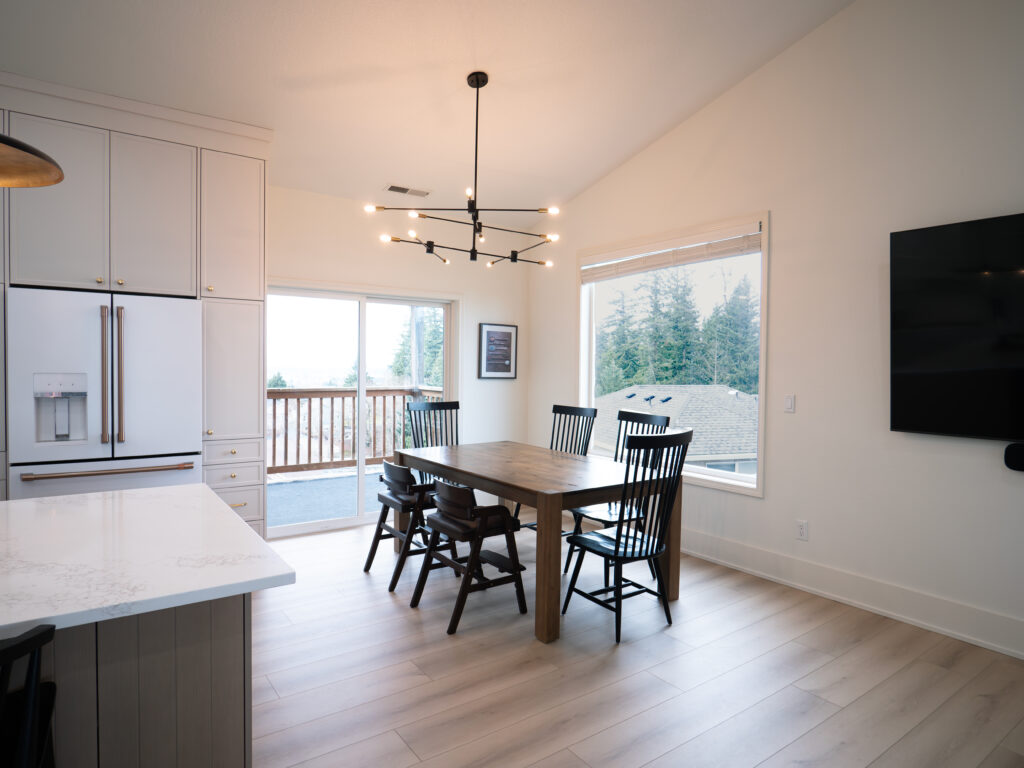
In one Harris & Sons whole-home renovation, homeowners initially focused on updating their kitchen and bathrooms with modern finishes. During the planning stage, however, the team identified signs of excess humidity in the attic and upper walls. Rather than proceeding with cosmetic improvements alone, Harris & Sons recommended addressing ventilation and insulation before installing new finishes.
The renovation included upgraded attic ventilation, improved insulation placement, and enhanced bathroom exhaust systems. These improvements ensured that moisture generated inside the home would be removed effectively rather than accumulating in concealed areas.
Once these systems were in place, the design upgrades proceeded smoothly. New cabinetry, lighting, and flooring were installed with confidence that the underlying environment would remain stable.
Years after completion, the homeowners report improved comfort, reduced humidity, and no signs of structural deterioration. The project demonstrates how moisture management can transform a renovation from a cosmetic upgrade into a long-lasting improvement.
Long-Term Value Through Moisture-Aware Remodeling
Renovations that prioritize moisture management consistently deliver stronger long-term value. Homes that maintain stable humidity levels experience fewer structural issues, lower maintenance costs, and healthier indoor environments.
Harris & Sons understand that long-term value is created through durability, not just visual appeal. By integrating moisture control into structural planning, they ensure that improvements remain reliable long after the project is complete.
The National Association of Home Builders highlights moisture protection as one of the key factors influencing building durability and homeowner satisfaction. Harris & Sons incorporate these principles into every renovation they undertake.
When moisture is managed effectively, homeowners gain confidence that their investment is protected. Renovations continue to perform as intended, supporting both comfort and property value.
Conclusion: Building Renovations That Last
The role of moisture management in home renovations cannot be overstated. While finishes and design features define the visual outcome of a remodel, moisture control determines whether those improvements will endure. Without proper ventilation, material selection, and drainage planning, even the most beautiful renovation may develop hidden problems over time.
Harris & Sons approach remodeling with a commitment to both aesthetics and performance. By evaluating moisture dynamics during the earliest planning stages, their team ensures that structural systems, materials, and ventilation work together to protect the home’s long-term health.
This thoughtful process transforms renovation from surface improvement into structural investment. Homeowners benefit from spaces that not only look exceptional but also function reliably for years to come.
If you are planning a renovation and want results that combine craftsmanship with durability, Harris & Sons are ready to guide the process. Their expertise ensures that every improvement strengthens the home while protecting it from the hidden risks of unmanaged moisture.
