
Understanding Construction Sequencing
Construction sequencing is the strategic planning of the order in which work is completed during a renovation or new build. Many homeowners underestimate its significance, often assuming that construction is simply a series of steps taken as materials arrive. In reality, sequencing affects project costs, timelines, quality, and the long-term durability of a home. At Harris & Sons, sequencing is not just a technical plan but a thoughtful approach that considers how every decision impacts the overall project. Poor sequencing can result in repeated labor, wasted materials, and extended timelines, while proper sequencing ensures smooth transitions between trades, better safety, and higher-quality outcomes.
Sequencing begins during the design phase, where the team identifies dependencies between trades. For example, electrical and plumbing work must be completed before drywall installation, but sequencing may vary based on the home’s age, existing systems, or structural conditions. Harris & Sons uses detailed checklists and scheduling software to map out these dependencies, ensuring that no trade interferes with another, and preventing costly delays caused by overlapping work. A strategic sequence also allows the team to foresee potential conflicts, such as ceiling height adjustments conflicting with HVAC installations or load-bearing wall modifications that affect framing.
Another factor in sequencing is material delivery timing. Homes today often feature customized cabinetry, imported stone countertops, or high-performance windows. Without careful planning, these materials can arrive before the structure is ready, causing storage issues, damage, or installation delays. Harris & Sons coordinates with suppliers and fabricators to schedule deliveries in alignment with on-site progress. This approach not only protects expensive materials but also keeps the worksite organized, reduces clutter, and allows subcontractors to focus on their tasks without obstruction.
Construction sequencing also affects quality control. By planning tasks in the right order, inspections and approvals can occur at appropriate stages. For example, framing inspections must precede drywall installation, and waterproofing or roofing inspections must occur before exterior finishes are applied. Harris & Sons integrates inspection requirements into their sequencing, ensuring that every stage meets local code and quality standards. This proactive strategy avoids costly rework and reinforces the structural integrity of the home.
Proper sequencing is also aligned with broader housing standards, as the U.S. Department of Housing and Urban Development highlights the importance of structured planning and safe construction practices in maintaining long-term residential performance.
Finally, sequencing impacts communication and collaboration. When every trade knows when their work is scheduled and how it relates to other tasks, the project runs efficiently. Harris & Sons emphasizes frequent on-site coordination meetings, where progress is reviewed, challenges are addressed, and updates are made to the sequence as necessary. By starting with a well-defined sequence, projects are smoother, timelines are shorter, and homeowners experience less stress during the remodel.
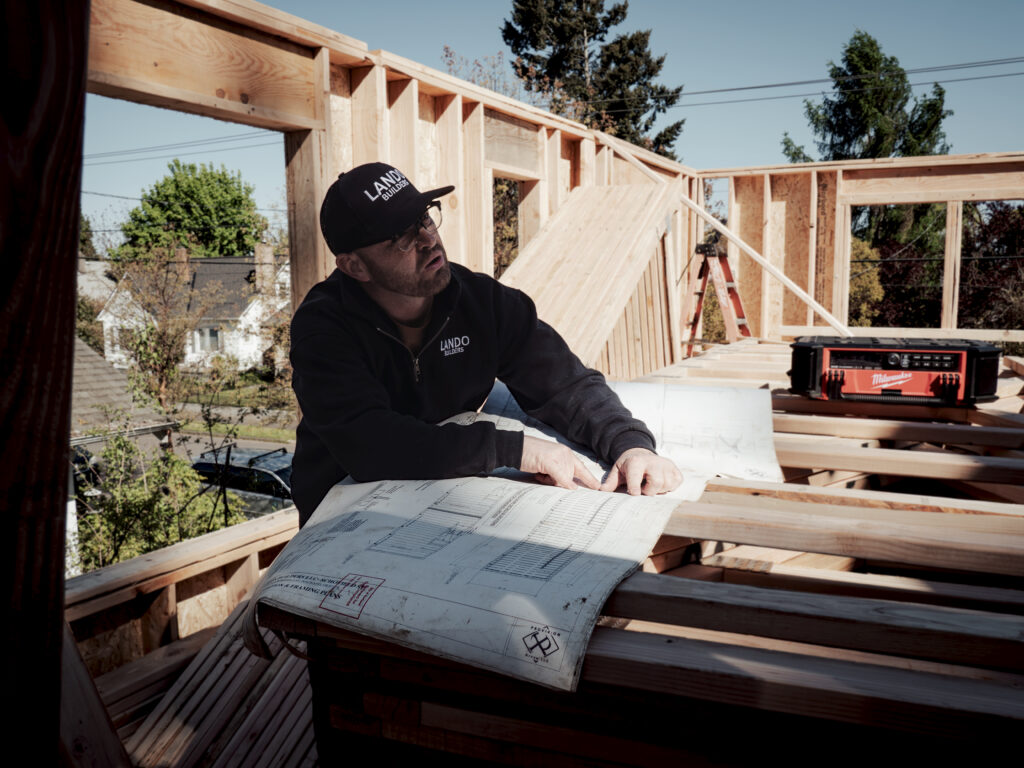
How Sequencing Influences Costs
The order in which construction tasks are executed has a direct impact on a project’s budget. Misalignment in sequencing often leads to double labor, rushed trades, or damaged materials—all of which drive up costs. Harris & Sons emphasizes that smart sequencing is a cost-control strategy as much as a technical requirement. By anticipating conflicts before work begins, the team avoids emergency solutions that can inflate bills. For instance, installing flooring before plumbing or electrical work is finalized often requires patching or replacement, creating unnecessary expenses.
Additionally, sequencing affects labor efficiency. Trades scheduled at the wrong time may be idle or forced to wait for preceding work to finish, increasing labor costs without advancing progress. Harris & Sons addresses this by creating detailed schedules that sequence trades for maximum efficiency. By coordinating framing, mechanical, and finish trades sequentially, the team ensures that work moves logically and reduces the potential for overlapping responsibilities. The result is a smoother, more predictable budget that benefits homeowners.
Material management is another crucial cost factor. Deliveries timed incorrectly can sit unused for weeks, raising the risk of damage or theft, and requiring temporary storage solutions. Harris & Sons manages material schedules so that each item arrives when needed, reducing waste and minimizing storage-related costs. They also coordinate with suppliers to adjust timelines if unexpected delays occur, ensuring that the budget remains aligned with actual progress.
In fact, energy-efficient planning tied to proper construction sequencing can significantly reduce long-term operational costs, as noted by ENERGY STAR guidelines on home upgrades and performance.
Unexpected challenges uncovered during renovations can also affect costs, and sequencing mitigates this risk. For example, a poorly sequenced demolition could reveal hidden structural damage that, if addressed later, would require labor and material duplication. Harris & Sons sequences demolition and inspection strategically to uncover issues early, integrate solutions without disrupting other tasks, and prevent escalating costs.
Finally, sequencing impacts long-term financial value. Properly sequenced construction ensures structural improvements, energy efficiency, and high-quality finishes are implemented correctly, reducing maintenance costs and increasing resale value. Harris & Sons clients often see the difference in projects that respect sequencing: fewer callbacks, longer-lasting materials, and functional homes that retain investment value over time.
Sequencing and Project Timelines
Construction sequencing determines how quickly a project progresses from demolition to final finishes. When tasks are scheduled haphazardly, projects experience delays due to trade conflicts, late material deliveries, or inspection bottlenecks. Harris & Sons recognizes that every delay compounds—extending timelines, increasing costs, and frustrating homeowners. By optimizing sequencing, they ensure each stage flows naturally into the next.
A detailed sequence includes milestones for each trade. Framing, roofing, electrical, plumbing, insulation, drywall, painting, flooring, and cabinetry are all mapped with start and finish dates that reflect dependencies. Harris & Sons uses project management software to visualize the schedule, making adjustments for unforeseen delays, weather events, or subcontractor availability. This level of planning allows for more accurate project timelines and realistic expectations for homeowners.
Sequencing also impacts coordination with inspections. In many municipalities, inspections are required after structural, electrical, plumbing, and mechanical work. Delaying inspections due to poor sequencing can stall the entire project. Harris & Sons proactively schedules inspections alongside construction tasks to ensure approvals are completed on time, avoiding bottlenecks that could derail timelines.
Furthermore, well-planned sequencing allows for parallel tasking where feasible. For example, while exterior finishes are being completed, interior work like painting and cabinetry installation can progress simultaneously if trades are coordinated efficiently. Harris & Sons leverages this approach to compress timelines without compromising quality. The key is understanding which tasks are independent and which require sequential completion—a nuance that experienced teams like Harris & Sons handle expertly.
These timelines are often guided by code requirements, and organizations like the International Code Council emphasize the importance of sequencing structural, electrical, and mechanical work correctly to ensure compliance and safety.
Finally, sequencing fosters predictable homeowner experience. A remodel can be disruptive, and uncertainty about timelines adds stress. By mapping construction sequencing carefully, Harris & Sons creates a transparent schedule that communicates progress, sets expectations, and minimizes surprises. Homeowners feel informed and in control, which is as valuable as finishing the remodel on time.
Sequencing and Quality Outcomes
Beyond costs and timelines, sequencing directly impacts the final quality of a renovation. Proper sequencing ensures structural work is completed correctly before cosmetic finishes are applied. For example, installing cabinets before plumbing adjustments are finalized can result in misaligned connections or aesthetic compromises. Harris & Sons emphasizes that sequencing protects craftsmanship, functionality, and longevity.
Sequencing is particularly critical when integrating mechanical systems like HVAC, plumbing, and electrical. Improper timing can result in damage to newly installed materials or incomplete connections. Harris & Sons sequences these tasks meticulously, coordinating subcontractors to maintain both structural and aesthetic integrity. This approach ensures that high-end materials, custom cabinetry, and luxury finishes perform as intended for decades.
Another quality benefit comes from material acclimation and preparation. Flooring, cabinetry, and wood finishes often require a period to acclimate to the home’s temperature and humidity. Harris & Sons sequences installation so that these materials are introduced at the optimal stage, reducing the risk of warping, cracking, or premature wear. Proper sequencing also allows for pre-finishing and protective measures that preserve surfaces during ongoing construction.
Sequencing also reduces the likelihood of mistakes that require corrective work. When tasks overlap improperly, trades may inadvertently damage completed work or create inconsistencies. Harris & Sons mitigates this risk by sequencing with careful attention to workflow and spatial coordination, ensuring that every element—from structural beams to decorative trim—is installed without compromise.
Finally, sequencing supports long-term maintenance and durability. Correct order of installation and finishing ensures that systems are accessible, properly installed, and compatible with future upgrades. Harris & Sons’ attention to sequencing preserves the investment, delivering homes that look beautiful and function flawlessly for years.
Harris & Sons’ Approach to Sequencing
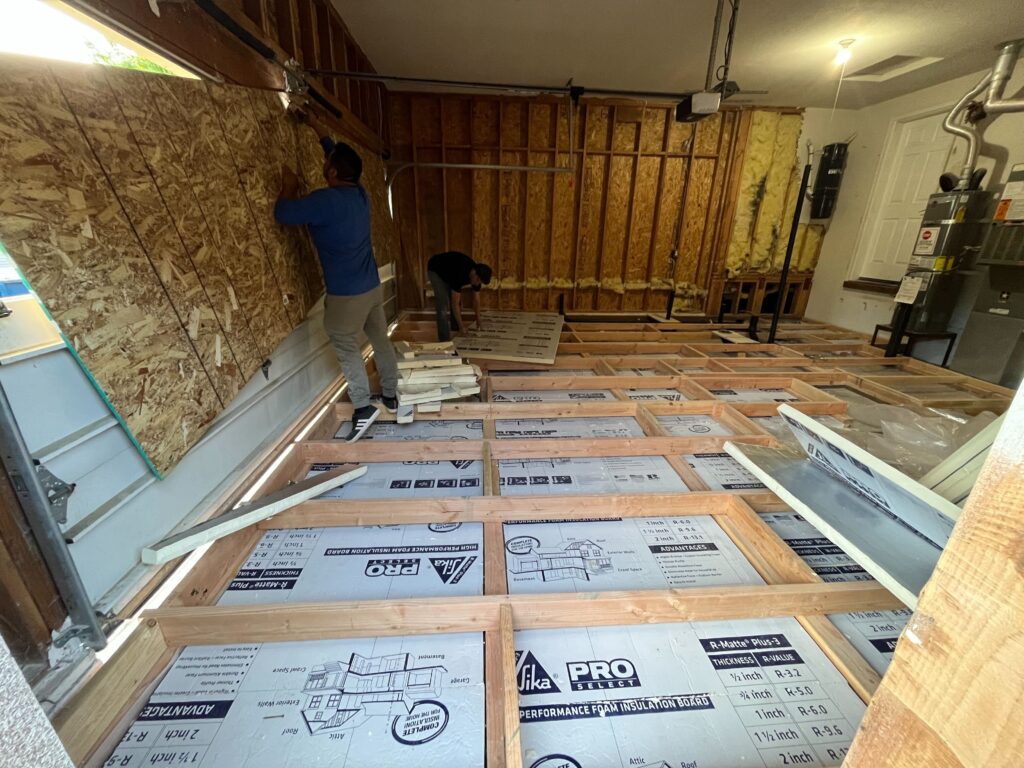
At Harris & Sons, sequencing is not an afterthought—it is the foundation of every project. From the initial consultation, the team maps out construction stages alongside budget, lifestyle, and design priorities. This holistic approach allows them to anticipate conflicts, allocate resources efficiently, and integrate inspections and approvals seamlessly.
Their process begins with site evaluation, structural assessment, and detailed discussion with homeowners. The team identifies critical path tasks, potential bottlenecks, and dependencies between trades. Harris & Sons then sequences work with flexibility, allowing for adjustments without sacrificing quality or schedule. Communication is constant, with homeowners kept informed of milestones and upcoming tasks.
Harris & Sons also leverages sequencing to optimize cost efficiency. By prioritizing structural improvements before cosmetic updates, coordinating material deliveries, and scheduling inspections proactively, the team minimizes waste and prevents costly rework. Sequencing also allows high-end finishes to be protected during construction, ensuring every detail is preserved.
Finally, sequencing underpins Harris & Sons’ commitment to long-term results. Projects are not only completed on time and within budget but are engineered for durability, comfort, and adaptability. Homeowners enjoy smoother experiences, higher-quality outcomes, and spaces that continue to function beautifully for decades. Sequencing transforms remodeling from a chaotic process into a structured, reliable, and predictable experience.
Conclusion: Sequencing as the Key to Successful Remodels
Construction sequencing is the invisible thread that ties together budget, timeline, quality, and long-term performance. Homeowners who prioritize sequencing experience fewer delays, lower costs, and higher-quality results. At Harris & Sons, sequencing is treated as an essential planning tool rather than a minor consideration.
By mapping dependencies, coordinating trades, and integrating inspections, Harris & Sons ensures that every project progresses logically, efficiently, and safely. Material delivery, mechanical work, structural modifications, and finishing tasks are all carefully scheduled to prevent conflict, reduce risk, and protect the investment. Sequencing transforms complex renovations into smooth, predictable, and highly satisfying experiences.
Harris & Sons’ clients also benefit from proactive communication and transparency throughout the remodel. Each step is explained, expectations are aligned, and homeowners feel confident that their vision is being executed professionally. Sequencing creates trust, reduces stress, and guarantees that the final results reflect both design intent and structural integrity.
Ultimately, construction sequencing is the cornerstone of successful remodeling. Harris & Sons demonstrates that careful planning, thoughtful trade coordination, and strategic timing produce homes that are not only beautiful but resilient, functional, and enduring. If you’re planning a renovation, prioritize sequencing as the foundation of your project—and partner with Harris & Sons to ensure every stage is executed with precision, efficiency, and expertise.
Internal Links:
External Links:
