
Introduction: Looking Beyond the Renovation Itself
When homeowners begin planning a renovation, they often focus on visible changes. They picture updated kitchens, refreshed bathrooms, larger living spaces, or modern finishes that transform the appearance of the property. While these upgrades certainly make a home feel newer, they do not always improve the way people actually live inside it. A beautiful renovation can still leave homeowners dealing with inconvenient layouts, poor storage, uncomfortable rooms, or inefficient use of space. That is why it is important to understand the distinction between simply renovating a house and genuinely improving a home.
A house is a physical structure made of walls, floors, roofing, windows, and countless construction materials working together. A home, however, represents something much deeper. It is the environment where routines are built, families gather, milestones are celebrated, and everyday life unfolds. Renovating a house often concentrates on replacing or updating physical components, while improving a home focuses on creating spaces that better support the people who live there. The difference may sound subtle, but it completely changes how a remodeling project should be planned.
This philosophy guides every project completed by Harris & Sons. Rather than beginning with questions about countertops or flooring samples, their team starts by learning how homeowners use each room, what frustrations exist in daily routines, and how the property could better support future needs. By understanding lifestyle before design, Harris & Sons develop remodeling solutions that solve real problems instead of simply covering them with attractive finishes. The result is a renovation that feels more meaningful because it improves everyday living rather than only refreshing appearances.
Many homeowners discover after completing cosmetic renovations that the excitement fades faster than expected. The finishes remain beautiful, yet the same inconveniences continue to interrupt daily life because the underlying design never changed. Harris & Sons believes lasting satisfaction comes from addressing the causes of those frustrations before selecting finishes. When a renovation is approached with the goal of improving a home, every decision contributes to comfort, functionality, and long-term value rather than temporary visual impact.
Renovation Changes the Structure, While Home Improvement Changes Daily Living
People often use the words “renovation” and “home improvement” interchangeably, but they describe two very different outcomes. Renovation generally refers to repairing, replacing, or updating physical components within a property. It may include installing new flooring, replacing cabinetry, upgrading finishes, or modifying layouts. These improvements can certainly enhance a home’s appearance, but appearance alone does not determine whether the space functions better for the people living there.
Improving a home begins by asking a different question. Instead of focusing on what should look different, it asks what should feel different. Does the kitchen support family meals comfortably? Does natural light reach the spaces where people spend most of their day? Are storage areas located where they are actually needed? Does the layout encourage connection without sacrificing privacy? These questions move the project beyond construction and toward creating a better living experience.
Harris & Sons believes every remodeling project should begin with these conversations. Before design drawings are finalized, they evaluate how homeowners move through the property, how rooms interact with one another, and where daily frustrations occur. Sometimes solving these issues requires structural changes, while other times thoughtful planning alone can dramatically improve how a space performs. Either way, the focus remains on creating lasting improvements rather than short-term visual upgrades.
This homeowner-first approach often leads to better investment decisions. Instead of allocating the majority of the budget toward decorative features, resources can be directed toward improvements that increase comfort, efficiency, and long-term usability. According to the U.S. Department of Housing and Urban Development (HUD), thoughtful rehabilitation planning that addresses functionality alongside physical condition helps preserve residential value while supporting long-term occupancy. These principles closely align with the planning philosophy Harris & Sons applies throughout every stage of a renovation.
Why Function Should Always Come Before Finishes
One of the most common mistakes homeowners make is choosing finishes before fully understanding how the remodeled space should function. It is easy to become excited about countertop samples, cabinet styles, flooring options, or lighting fixtures because they are the most visible parts of a renovation. However, those selections should support the overall design rather than define it.
A beautiful kitchen that lacks enough preparation space or a luxurious bathroom with inadequate storage quickly loses its appeal once daily life resumes. Harris & Sons encourages clients to postpone finish selections until the overall layout and purpose of each room have been carefully established. This process ensures every design choice contributes to both practicality and appearance instead of serving only decorative purposes.
Prioritizing function also helps homeowners avoid expensive changes later in the project. Once cabinetry has been installed or tile has been laid, making structural adjustments becomes significantly more difficult and costly. Harris & Sons spends considerable time during the planning stage evaluating circulation patterns, storage needs, furniture placement, and how each member of the household interacts with the space. By resolving these practical considerations first, decorative selections become much easier because they are supporting a design that already works well. This planning-first philosophy leads to smoother construction, fewer unexpected changes, and a finished result that feels intentional from every perspective.
Another advantage of emphasizing functionality early is that it encourages homeowners to think beyond current design trends. Popular finishes naturally change over time, but an efficient floor plan and well-designed living environment remain valuable for decades. Harris & Sons regularly reminds clients that while paint colors and fixtures can easily be updated in the future, correcting a poorly designed layout usually requires another major renovation. Investing in the framework of the home creates lasting benefits that continue long after decorative preferences evolve. The renovation therefore becomes more resilient to changing styles while maintaining its usefulness for many years.
This philosophy also supports better financial decisions. Instead of allocating large portions of the budget toward luxury finishes that may eventually be replaced, homeowners can invest in improvements that strengthen the home’s overall performance. Better insulation, improved storage, upgraded structural elements, enhanced circulation, and thoughtful room planning often deliver greater long-term value than premium decorative products alone. Harris & Sons believes that when functionality becomes the foundation of a renovation, every finish installed afterward has a stronger purpose because it complements a space that already performs exceptionally well.
How Lifestyle Shapes Better Design Decisions
No two households use their homes in exactly the same way. Some families gather in the kitchen several times each day, while others spend most of their time in shared living areas or outdoor spaces. Remote professionals may require dedicated work zones with natural lighting and acoustic privacy, while growing families often prioritize flexible rooms that can adapt over time. Harris & Sons begins every remodeling project by learning these daily routines because they understand that successful design starts with people rather than architecture alone. This information becomes the foundation for every recommendation made throughout the planning process.
Lifestyle-centered planning frequently reveals opportunities that homeowners had not previously considered. A family struggling with clutter may not actually need a larger home—they may simply need storage positioned where it naturally supports daily activities. Someone who enjoys cooking might benefit more from improved workflow than from additional square footage. Parents with young children often value sightlines that allow them to supervise multiple areas simultaneously, while retirees may prioritize accessibility that supports aging comfortably within the home. Harris & Sons studies these behavioral patterns carefully, ensuring every recommendation responds directly to the way the property is lived in rather than relying on generic remodeling formulas.
Another important consideration is how routines change over time. Children grow older, careers evolve, family members move in or out, and hobbies develop in unexpected ways. Harris & Sons designs renovations with flexibility in mind so that homes remain practical long after construction has been completed. Flexible spaces, adaptable storage solutions, and thoughtful room relationships allow homeowners to adjust naturally as life changes without immediately requiring another renovation. This long-term perspective helps every remodeling investment continue delivering value well into the future.
Organizations such as the U.S. Environmental Protection Agency (EPA) emphasize that healthy homes depend not only on materials but also on thoughtful design that promotes good indoor environmental quality, proper ventilation, and comfortable living conditions. These considerations align closely with Harris & Sons’ planning philosophy because they recognize that improving a home involves creating healthier, more comfortable environments instead of simply replacing finishes. By considering lifestyle alongside environmental performance, every remodeling decision contributes to a more enjoyable and sustainable home.

Improving Comfort Instead of Simply Adding Space
Many homeowners assume that improving their property requires adding more square footage. While additions can certainly provide valuable space in certain situations, they are not always the most effective solution. In many cases, the existing footprint already contains enough room to support the household comfortably—the challenge lies in how that space is organized. Harris & Sons frequently helps homeowners discover that thoughtful planning can dramatically improve comfort without requiring a larger home. By rethinking layouts, improving circulation, and optimizing underused areas, they often achieve results that feel significantly more spacious without expanding the building itself.
Comfort extends beyond physical dimensions. Natural light, airflow, noise control, storage accessibility, ceiling height, and room proportions all influence how welcoming a space feels throughout the day. A modestly sized room with excellent lighting and efficient organization often feels more enjoyable than a much larger room that lacks these qualities. Harris & Sons carefully evaluates these environmental factors before recommending structural changes because they understand that comfort is created through balance rather than sheer size. Their design process considers how every room performs across different seasons, times of day, and household activities.
Improving comfort also involves reducing the small frustrations that homeowners experience repeatedly. A crowded entryway, limited kitchen preparation space, awkward laundry access, or insufficient bathroom storage may appear minor individually, yet together they can significantly affect everyday satisfaction. Harris & Sons identifies these pain points early and develops practical solutions that simplify daily routines. These improvements often have a greater impact on quality of life than dramatic architectural changes because they address the issues homeowners encounter every single day.
Research from the International Code Council (ICC) also highlights how thoughtful planning, proper construction practices, and adherence to building standards contribute to safer, healthier, and more durable residential environments. Harris & Sons incorporates these principles throughout every project, ensuring that comfort is supported by sound construction rather than relying solely on visual appeal. The result is a renovation that feels better to live in from the very first day and continues performing reliably for many years afterward.
The Hidden Improvements That Make the Biggest Difference
One of the greatest misconceptions about remodeling is that the most valuable improvements are always the ones homeowners can immediately see. Fresh cabinetry, elegant flooring, decorative lighting, and updated fixtures certainly transform the appearance of a house, but many of the upgrades that create lasting value remain completely hidden after construction is finished. These unseen improvements include stronger framing, modern insulation, moisture protection, improved ventilation, upgraded electrical systems, plumbing replacements, and better structural support. Although they rarely become the focal point of photographs, they often determine how well a renovation performs for decades. Harris & Sons believes these foundational improvements deserve just as much attention as the visible design features because they directly affect durability, safety, and everyday comfort.
During demolition, experienced remodelers often uncover conditions that homeowners never knew existed. Previous repairs may have been completed improperly, framing could have shifted over time, insulation might be insufficient, or plumbing and wiring may no longer meet current standards. Rather than simply covering these discoveries with new finishes, Harris & Sons carefully evaluates every finding before moving forward. Addressing hidden deficiencies while walls and ceilings are already open prevents much larger expenses in the future. This proactive approach protects the investment homeowners are already making and helps ensure the completed renovation performs reliably instead of simply looking attractive.
Mechanical systems deserve the same thoughtful attention. Heating, cooling, plumbing, and electrical infrastructure form the backbone of a comfortable home, yet these systems are frequently overlooked because they are concealed behind finished surfaces. Harris & Sons coordinates every trade during construction to ensure that improvements complement one another rather than compete for limited space inside walls and ceilings. Careful planning allows ductwork, wiring, plumbing lines, and structural elements to coexist without unnecessary compromises. This level of coordination reduces future maintenance issues while improving efficiency throughout the home.
The long-term benefits of these hidden upgrades become more apparent with every passing year. Homeowners experience fewer repairs, lower maintenance costs, more consistent indoor comfort, and greater confidence knowing their investment was built upon a solid foundation. Harris & Sons approaches every renovation with this long-range perspective because they understand that meaningful improvement extends well beyond what is immediately visible. A successful project should continue delivering value long after the excitement of construction has faded, and that lasting performance begins with the work hidden behind the finished surfaces.
Why Planning for the Future Is Part of Improving a Home
A truly successful remodeling project does more than satisfy present-day needs—it prepares a home for the years ahead. Families evolve, careers change, children grow older, and homeowners often remain in their houses much longer than originally anticipated. Renovations designed only for current circumstances may require significant alterations again within a relatively short period. Harris & Sons encourages clients to think beyond immediate goals by considering how today’s decisions will continue serving them five, ten, or even twenty years into the future. This forward-thinking approach creates homes that remain practical through changing stages of life.
Flexibility plays a major role in long-term planning. Rooms designed with adaptable layouts can serve multiple purposes as household needs shift over time. A guest bedroom might later become a home office, a nursery may transform into a study space, or a bonus room could eventually support aging family members. Harris & Sons incorporates flexibility wherever possible so that spaces evolve naturally without requiring extensive reconstruction. Simple decisions made during renovation—such as electrical placement, doorway widths, storage configuration, or plumbing rough-ins—can dramatically increase future adaptability while adding very little cost during the initial project.
Maintenance also becomes easier when future needs are considered from the beginning. Selecting durable materials, allowing access to mechanical systems, improving drainage, and upgrading structural components all reduce the likelihood of disruptive repairs later. The U.S. Department of Housing and Urban Development (HUD) explains that preserving the long-term condition of residential properties depends heavily on preventive planning, quality construction practices, and responsible maintenance strategies. Harris & Sons shares this philosophy by encouraging homeowners to make decisions that continue protecting the home long after construction crews have completed their work. Thinking ahead often costs less than correcting preventable problems years later.
Future-focused remodeling also provides peace of mind. Homeowners gain confidence knowing their investment was designed to accommodate changing circumstances rather than becoming obsolete as lifestyles evolve. Harris & Sons consistently emphasizes this broader perspective because they understand that improving a home involves preparing it for tomorrow just as much as enhancing it for today. The result is a property that remains functional, comfortable, and valuable regardless of how life changes over the coming decades.
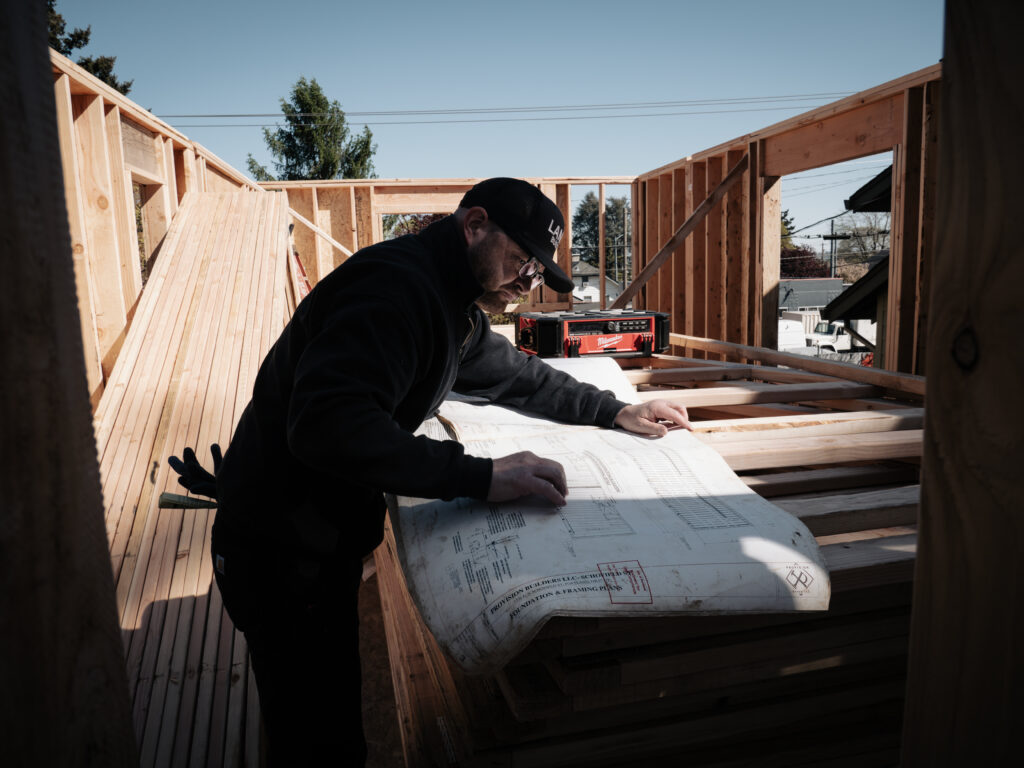
A Harris & Sons Project Example: Small Changes That Completely Changed Daily Living
One Harris & Sons remodeling project perfectly demonstrates the difference between simply renovating a house and genuinely improving a home. The homeowners originally contacted the company because they wanted a more modern kitchen with updated cabinetry, contemporary lighting, and new flooring. On the surface, the request appeared straightforward. However, after spending time with the family and observing how they used the home throughout the day, the Harris & Sons team realized that appearance was only a small part of the challenge. The real issues involved poor circulation, limited storage, awkward room connections, and inefficient use of available space.
Rather than immediately recommending expensive additions, the design team began asking detailed questions about daily routines. They learned that family members frequently crossed through the kitchen to reach other rooms, creating constant congestion during meal preparation. Storage was scattered throughout the house, forcing unnecessary trips between rooms. Natural daylight rarely reached the center of the floor plan because several interior partitions interrupted the flow of light. These discoveries changed the direction of the project entirely. Instead of focusing exclusively on decorative upgrades, Harris & Sons reorganized circulation paths, relocated storage, improved sightlines, and adjusted the layout to support how the family actually lived.
Construction also uncovered several opportunities for meaningful improvements that had not been anticipated during the initial consultation. Aging insulation was replaced, outdated electrical wiring was upgraded, and portions of the framing were reinforced to support the revised floor plan. These improvements remained invisible after completion, yet they contributed significantly to the home’s comfort, efficiency, and long-term reliability. Because Harris & Sons addressed these issues while the walls were already open, the homeowners avoided the expense and inconvenience of future repairs that would otherwise have required additional demolition.
When the renovation was complete, visitors naturally noticed the attractive finishes, but the homeowners appreciated something much deeper. Daily routines became easier, storage felt intuitive, rooms connected naturally, and the entire house functioned more smoothly than before. The project illustrated a principle that Harris & Sons applies to every renovation: lasting improvement comes from solving the right problems, not simply replacing old materials with new ones. That philosophy continues to distinguish their work from projects driven solely by cosmetic change.
Long-Term Value Comes From Improving a Home, Not Just Renovating a House
One of the clearest differences between renovating a house and improving a home becomes apparent several years after construction has been completed. Cosmetic updates naturally lose some of their novelty over time as design preferences evolve, but thoughtful improvements continue delivering value every single day. A well-planned floor plan remains comfortable regardless of changing trends. Reliable mechanical systems continue operating efficiently, practical storage keeps daily routines organized, and carefully considered circulation patterns make movement throughout the home feel effortless. Harris & Sons believes these lasting benefits represent the true return on a remodeling investment because they continue improving quality of life long after the excitement of new finishes has faded.
Long-term value is also reflected in reduced maintenance and fewer unexpected repairs. Renovations that address structural concerns, moisture management, insulation, ventilation, and aging infrastructure create homes that perform more consistently throughout changing seasons. Instead of repeatedly correcting problems that were overlooked during previous projects, homeowners can enjoy confidence knowing their property was improved from the inside out. Harris & Sons emphasizes this preventative approach because they understand that every thoughtful decision made during construction contributes to years of dependable performance. Solving underlying issues today often eliminates much larger expenses tomorrow.
Another important advantage is adaptability. A home designed around daily living can continue serving the household even as circumstances change. Children eventually become teenagers, parents begin working from home, family members age, and entertaining habits naturally evolve over time. Flexible layouts, accessible storage, durable materials, and carefully planned room relationships allow a property to accommodate these changes without requiring another major renovation. Harris & Sons consistently designs with this broader perspective, helping homeowners invest in spaces that remain practical through every stage of life rather than solving only immediate concerns.
Financial value follows naturally when a property functions well. Prospective buyers often recognize quality even if they cannot immediately identify the reasons behind it. Smooth circulation, balanced proportions, solid construction, efficient systems, and thoughtful organization create an impression of craftsmanship that extends beyond appearance alone. While attractive finishes may capture attention during a showing, lasting confidence comes from knowing the house has been carefully improved beneath the surface. Harris & Sons understands that genuine value is built through careful planning, disciplined construction, and decisions that continue paying dividends for years after the final walkthrough.
Conclusion: Improving a Home Means Investing in Everyday Living
Many people begin a remodeling project believing they need to renovate a house when, in reality, what they truly want is to improve the way they live. Although these ideas are often treated as interchangeable, they lead to very different outcomes. Renovating typically focuses on replacing what has become outdated, while improving considers how the entire home can better support everyday routines, future plans, and long-term comfort. That distinction influences every decision throughout the design and construction process. When homeowners shift their attention from appearance alone toward functionality, efficiency, and adaptability, the final result becomes far more meaningful than a collection of updated finishes.
Harris & Sons approaches every project with this philosophy in mind. Their team begins by listening carefully, studying how each family uses its home before recommending specific solutions. Rather than relying on standardized layouts or temporary design trends, they create renovations that respond to the property’s existing strengths while resolving challenges that limit daily living. Every recommendation—whether structural, mechanical, architectural, or aesthetic—is evaluated according to how it contributes to the overall experience of living in the home. This comprehensive approach allows each renovation to feel intentional because every improvement supports a clearly defined purpose.
What truly distinguishes a successful remodeling project is not how dramatically it changes the appearance of a property, but how naturally it supports the people who live there every day. Comfortable circulation, organized storage, balanced natural light, dependable construction, healthy indoor environments, and durable materials work together to create spaces that continue performing long after current design trends have disappeared. Harris & Sons understands that these qualities cannot be achieved through cosmetic upgrades alone. They require thoughtful planning, skilled craftsmanship, technical knowledge, and a willingness to look beyond what is immediately visible. That commitment is what transforms ordinary renovations into lasting improvements.
If you are considering your next remodeling project, take time to think beyond replacing outdated finishes or expanding square footage. Consider how your home could better support your routines, simplify everyday tasks, improve comfort, increase efficiency, and adapt alongside your family for many years to come. Those are the improvements that continue creating value long after construction ends. Harris & Sons specializes in helping homeowners identify those opportunities and transform them into carefully planned renovations built for lasting performance. When your goal is not simply to renovate a house but to improve your home in every meaningful way, their experienced team is ready to help you build a space that truly reflects the way you want to live.
External Links
- U.S. Environmental Protection Agency (EPA)
- International Code Council (ICC)
- U.S. Department of Housing and Urban Development (HUD)
