
A home should do more than look good when the renovation is complete. It should continue to serve its owners comfortably as years pass, needs change, and lifestyles evolve. Too often, remodeling decisions focus on immediate trends or short-term convenience, leaving homeowners with spaces that feel outdated, impractical, or restrictive far sooner than expected.
Designing homes that age well requires a different mindset. It means planning renovations that anticipate change rather than react to it. At Harris & Sons, long-term living is a guiding principle behind every design and construction decision. Their approach centers on flexibility, durability, and thoughtful layout choices that allow a home to adapt gracefully over time.
This guide explores how renovation strategies can support long-term living, why aging well is about functionality rather than age, and how Harris & Sons helps homeowners build spaces that remain comfortable, efficient, and livable for decades.
What It Really Means for a Home to Age Well
Aging well is often misunderstood as designing specifically for old age. In reality, it means creating a home that evolves alongside its occupants. A well-designed home supports a wide range of life stages without requiring constant modification.
Homes that age well feel intuitive to use. They minimize obstacles, reduce unnecessary complexity, and prioritize comfort without sacrificing style. These homes remain functional whether they are occupied by young families, working professionals, empty nesters, or multi-generational households.
Harris & Sons approaches aging-in-place design as a continuum rather than a single outcome. Renovation strategies are selected to enhance usability now while quietly preparing the home for future needs. This philosophy ensures that homeowners can stay in the spaces they love longer, with fewer disruptions and lower long-term costs.
Why Long-Term Living Should Guide Renovation Decisions
Renovations represent significant investments of time, money, and trust. When decisions are made without long-term living in mind, homeowners often face repeat projects or premature upgrades.
Designing homes that age well reduces the likelihood of future structural changes. Thoughtful planning allows rooms to adapt rather than become obsolete. Harris & Sons frequently works with clients who want renovations that will not need to be undone or reworked within a decade.
Long-term design also supports financial stability. According to the U.S. Department of Housing and Urban Development, homes designed for long-term livability contribute to housing sustainability and reduce displacement over time. A renovation that lasts protects both the home’s value and the homeowner’s peace of mind.
By prioritizing longevity, Harris & Sons ensures that every renovation decision adds enduring value rather than temporary appeal.
Flexible Floor Plans as the Foundation of Aging Well
One of the most important elements of a home that ages well is a flexible floor plan. Rigid layouts limit how spaces can be used, while adaptable layouts allow rooms to evolve naturally.
Harris & Sons designs renovations that support multiple uses within the same space. A dining room may later serve as a home office. A guest bedroom may transition into a primary suite. These possibilities are built into the layout from the start.
Structural adjustments such as wider openings, strategic wall placement, and proportional room sizing allow spaces to shift function without major construction. This flexibility ensures that homes remain relevant as lifestyles change.
An additional benefit of flexible layouts is resale appeal. Buyers increasingly value homes that can accommodate a range of needs, making adaptable floor plans a long-term asset.
Entryways and First Impressions That Last
The entryway sets the tone for the entire home. Unfortunately, many older homes feature cramped or poorly defined entrances that become more challenging to use over time.
Harris & Sons often improves entryways during renovation by widening access points, improving lighting, and enhancing transitions between indoor and outdoor spaces. These changes make daily entry easier while maintaining a welcoming appearance.
A well-designed entryway supports long-term living by reducing congestion, improving safety, and creating a sense of arrival that never feels outdated.
Kitchens Designed for a Lifetime of Use
Kitchens experience constant use, making them one of the most critical spaces to design for longevity. Homes that age well feature kitchens that balance efficiency, comfort, and adaptability.
Harris & Sons designs kitchens with circulation, accessibility, and workflow in mind. Clear pathways, thoughtful appliance placement, and flexible storage solutions allow the kitchen to remain functional regardless of physical ability or household size.
Counter heights, lighting placement, and cabinet accessibility are carefully considered to reduce strain and improve usability. These features often go unnoticed at first, yet they become invaluable over time.
According to ENERGY STAR, efficient kitchen layouts also contribute to lower energy use and improved performance, reinforcing the connection between smart design and long-term comfort.
Bathrooms That Support Comfort and Independence
Bathrooms play a central role in long-term living. Poorly designed bathrooms can quickly become obstacles, while thoughtful layouts enhance independence and ease of use.
Harris & Sons approaches bathroom renovations with both present and future needs in mind. Walk-in showers, reinforced walls for future grab bars, and slip-resistant flooring are integrated without creating a clinical appearance.
These design choices allow homeowners to maintain autonomy while preserving a refined, modern aesthetic. By planning ahead, Harris & Sons eliminates the need for emergency renovations later in life.
Single-Level Living and Smart Vertical Planning
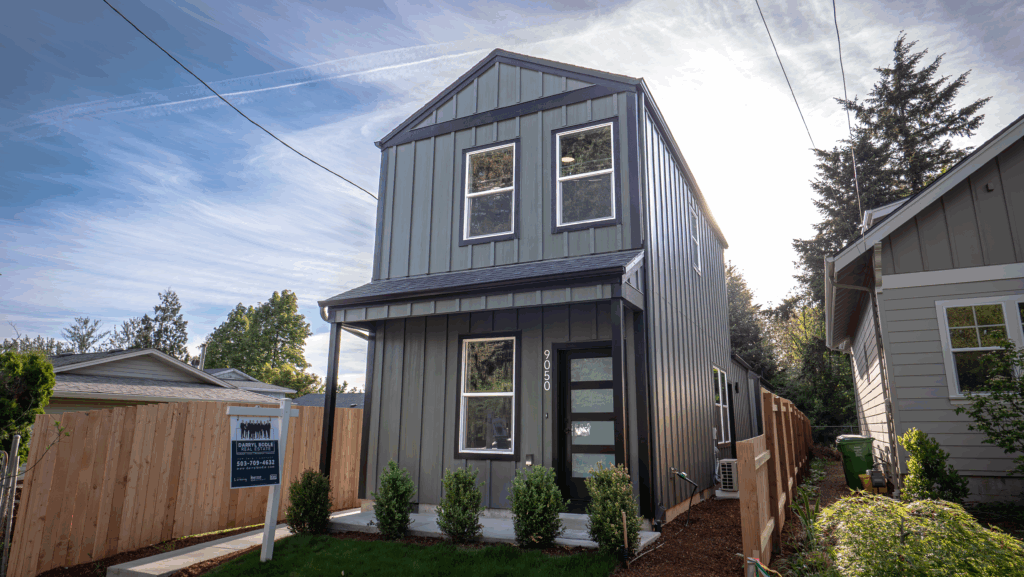
While not every home can be single-story, homes that age well often minimize the need for constant stair use. Harris & Sons evaluates how vertical movement affects daily routines and long-term comfort.
In multi-level homes, renovations may include relocating primary living spaces to the main level or improving stair safety and accessibility. Structural planning ensures that essential functions remain easily accessible.
According to the National Institute on Aging, reducing daily physical strain supports long-term independence and safety, making vertical planning a critical aspect of aging well.
Storage Solutions That Prevent Clutter Over Time
Clutter accumulates when storage is insufficient or poorly located. Homes that age well incorporate storage into the structure rather than relying on furniture or temporary fixes.
Harris & Sons integrates storage into hallways, bedrooms, kitchens, and utility areas to support organization without visual clutter. These built-in solutions improve daily function and reduce maintenance over time.
Well-planned storage supports mental clarity and reduces physical effort, both of which contribute to long-term comfort.
Lighting Strategies for Changing Needs
Lighting requirements change as people age. Homes that age well feature layered lighting that supports visibility without harshness.
Harris & Sons incorporates natural light, ambient lighting, task lighting, and accent lighting into renovation plans. Controls are placed intuitively, and fixtures are selected for longevity rather than trend-driven appeal.
The U.S. Department of Energy emphasizes that proper lighting improves safety and energy efficiency, making it an essential element of long-term living design.
Flooring Choices That Balance Beauty and Durability
Flooring impacts safety, comfort, and maintenance. Homes that age well use materials that offer stability, durability, and ease of movement.
Harris & Sons recommends flooring solutions that reduce trip hazards while maintaining a cohesive aesthetic. Transitions between materials are minimized, and surfaces are selected for long-term wear.
These choices allow the home to remain visually appealing without compromising functionality.
Acoustics and Noise Control for Long-Term Comfort
Sound quality affects comfort more than many homeowners realize. Homes that age well manage noise effectively to support rest, concentration, and privacy.
Harris & Sons incorporates sound-conscious construction methods during renovation, including insulation choices, wall assemblies, and material selection. These decisions enhance daily comfort and reduce stress.
According to the Environmental Protection Agency, reducing long-term noise exposure supports overall health and well-being, reinforcing the value of sound-aware design.
Energy Efficiency as a Long-Term Strategy
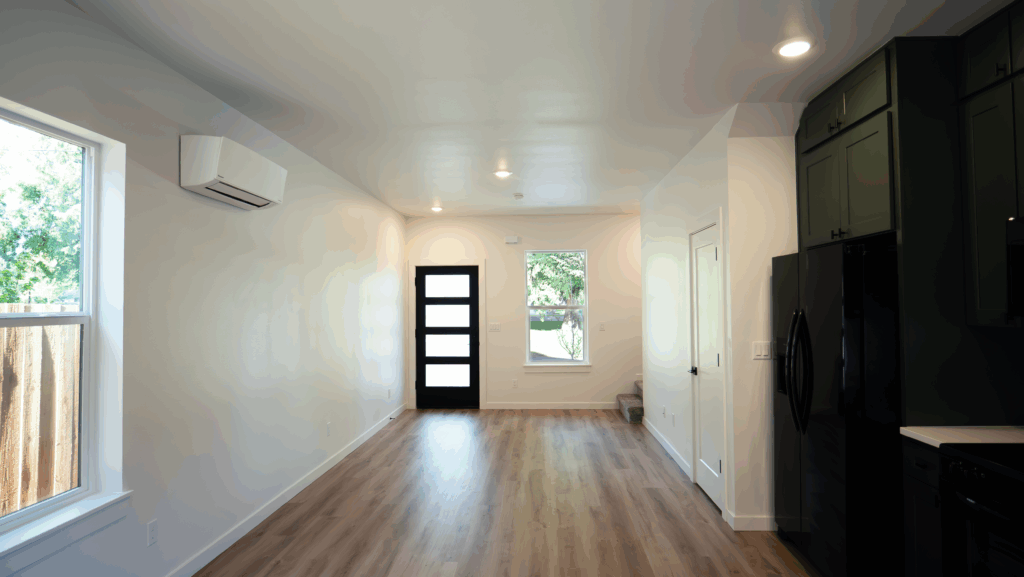
Energy efficiency is inseparable from long-term living. Homes that age well maintain comfortable temperatures without excessive energy use.
Harris & Sons integrates insulation upgrades, efficient windows, and thoughtful layout planning to improve thermal performance. These upgrades reduce operating costs and increase comfort over time.
ENERGY STAR notes that energy-efficient homes retain value and improve livability long after renovation.
Designing for Maintenance and Longevity
Aging well also means reducing maintenance burdens. Homes that require constant upkeep become challenging over time.
Harris & Sons selects materials and construction methods that prioritize durability and ease of care. Finishes are chosen for resilience, and systems are installed with long-term access in mind.
This approach minimizes future disruptions and preserves the home’s condition.
Why Professional Renovation Planning Matters
Designing homes that age well requires foresight, experience, and technical expertise. Poorly planned renovations can create long-term limitations rather than solutions.
Harris & Sons brings a holistic perspective to every project, considering structure, layout, systems, and daily use. Their team ensures that renovations support long-term living without sacrificing beauty or performance.
Professional planning transforms renovation from a short-term upgrade into a lasting investment.
How Harris & Sons Design Homes That Age Well
At Harris & Sons, long-term living is built into the renovation process. Every design decision is evaluated for how it will perform not just now, but years into the future.
Their approach includes:
- Understanding how homeowners live today
- Anticipating future needs
- Designing adaptable layouts
- Selecting durable materials
- Executing construction with precision
This philosophy ensures that homes remain functional, comfortable, and relevant over time.
Conclusion: Building a Home That Grows With You
Designing homes that age well is about creating spaces that support life as it unfolds. It is not about limiting design or preparing for a single outcome—it is about freedom, comfort, and confidence in your home’s future.
With thoughtful renovation strategies and experienced guidance, homeowners can enjoy spaces that remain welcoming, functional, and beautiful for decades.
If you are considering a renovation and want a home designed for long-term living, Harris & Sons is ready to help. Contact their team today to discuss how your home can age as gracefully as the life you plan to live within it.
External & Internal Links
External Links
- U.S. Department of Housing and Urban Development
- National Institute on Aging
- U.S. Department of Energy
- ENERGY STAR
- Environmental Protection Agency

