
When homeowners think about remodeling, they often picture new finishes, updated cabinetry, or refreshed flooring. While these elements certainly improve appearance, they rarely address the deeper question of how a home actually functions over time. True livability is shaped not by surface updates, but by the structure beneath them. The way rooms connect, walls are positioned, and spaces are organized determines how comfortably a home adapts to changing needs.
Structural layout changes go beyond aesthetics. They redefine how people move through a home, how spaces support daily routines, and how a property remains functional as families grow, work patterns shift, or lifestyles evolve. At Harris & Sons, layout-driven remodeling is treated as a long-term investment—one that prioritizes flow, flexibility, and durability rather than short-lived trends.
This guide explores how structural layout changes influence long-term home functionality, why thoughtful planning matters, and how working with an experienced contractor like Harris & Sons ensures that every change improves the home not just today, but for decades to come.
Understanding Structural Layout vs. Cosmetic Remodeling
Not all remodels are created equal. Cosmetic updates focus on visible finishes—paint colors, fixtures, or surface materials. Structural layout changes, on the other hand, involve modifying the bones of a home. These changes may include removing or relocating walls, altering room proportions, reconfiguring circulation paths, or adjusting load-bearing elements.
While cosmetic updates can refresh a space quickly, they do little to resolve underlying functional issues. Poor traffic flow, cramped rooms, awkward transitions, and underutilized spaces persist unless the layout itself is addressed. Harris & Sons regularly works with homeowners who have already invested in surface updates, only to realize that the home still does not function the way they need.
Structural layout changes require deeper expertise because they affect safety, stability, and building performance. This is where professional planning becomes essential. When executed correctly, layout changes unlock a home’s full potential and prevent the need for repeated renovations in the future.
An additional advantage of structural remodeling is adaptability. Homes designed with flexible layouts respond better to life changes, whether that means accommodating remote work, aging in place, or hosting extended family.
Why Layout Determines Long-Term Functionality
A home’s layout governs daily behavior in subtle but powerful ways. It influences how people move, interact, and use space without consciously thinking about it. When a layout works, daily routines feel effortless. When it doesn’t, even a beautiful home can feel frustrating.
Structural layout changes address problems such as long, narrow hallways that waste square footage, kitchens isolated from living areas, or bedrooms positioned without privacy. Harris & Sons evaluates these issues during the early planning stages of every remodeling project, ensuring that changes support how homeowners actually live.
Long-term functionality also depends on predictability. Homes with logical layouts are easier to maintain, easier to furnish, and easier to adapt. According to guidance from the U.S. Department of Housing and Urban Development, well-planned residential layouts contribute to safer, more sustainable housing over time.
By focusing on structure rather than surface, Harris & Sons helps homeowners avoid short-term fixes and achieve lasting improvements.
Traffic Flow and Movement Through the Home
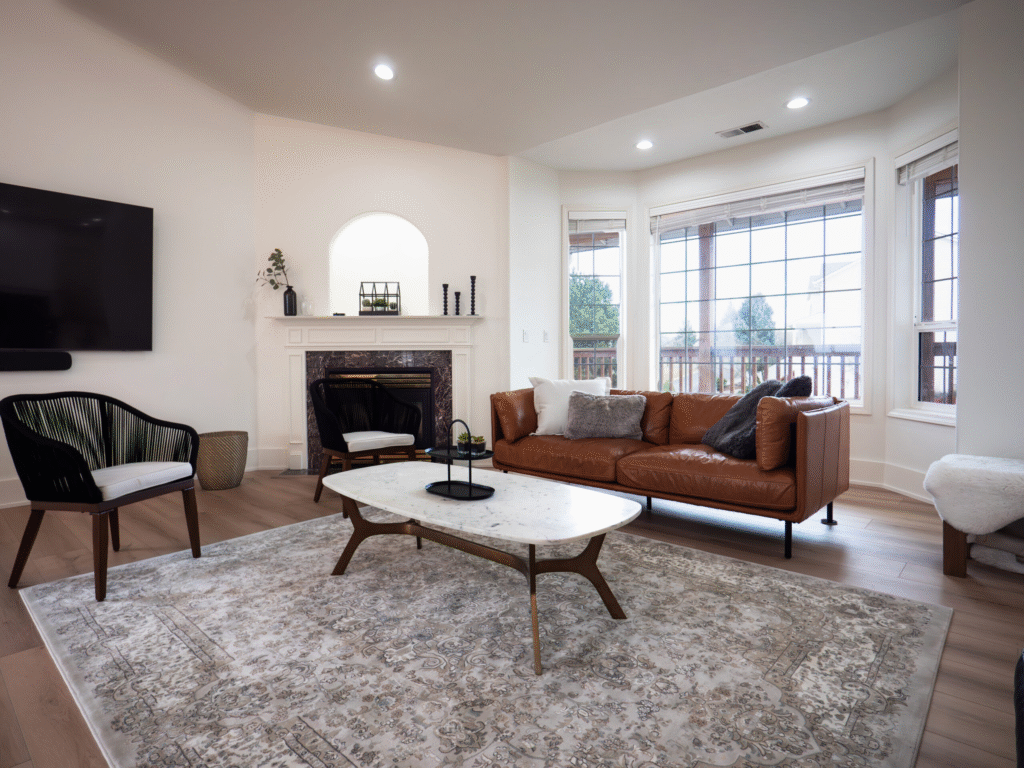
One of the most impactful aspects of structural layout changes is traffic flow. Traffic flow refers to how people move from one area to another and how those paths intersect with daily activities.
Poor traffic flow can cause congestion in high-use areas, disrupt privacy, and reduce usable space. Common issues include walkways cutting through living rooms, kitchens doubling as hallways, or bedrooms opening directly into noisy common areas.
Harris & Sons approaches layout redesign with circulation in mind. By rerouting pathways, repositioning openings, or redefining room boundaries, they create homes that feel intuitive to navigate. These changes improve comfort immediately and continue to benefit homeowners long after the remodel is complete.
An additional consideration is accessibility. Wider pathways, clear sightlines, and logical room placement support long-term usability for people of all ages and abilities, even if accessibility is not an immediate concern.
Room Relationships and Functional Zoning
Functional zoning refers to grouping rooms based on how they are used. Public spaces, private areas, and service zones should be organized in a way that supports privacy and efficiency.
Structural layout changes allow Harris & Sons to reorganize these zones for better balance. Kitchens can be connected more naturally to dining and living areas, while bedrooms are repositioned away from noise-generating spaces.
This separation becomes increasingly important as households grow or routines become more complex. Children, remote workers, and guests all benefit from clearly defined zones that reduce conflict and improve comfort.
Over time, zoning-based layouts prove more adaptable. When needs change, these homes require fewer major alterations because the foundational organization already supports flexibility.
Load-Bearing Walls and Structural Integrity
One of the most misunderstood aspects of structural layout changes is the role of load-bearing walls. These walls support the weight of the home and cannot be removed without proper planning and reinforcement.
Harris & Sons brings structural expertise to every layout change, ensuring that modifications maintain safety and stability. This often involves installing beams, posts, or alternative support systems that allow open layouts without compromising integrity.
Properly engineered changes ensure that homes remain structurally sound for decades. According to the International Code Council, structural compliance is essential to long-term building performance and occupant safety.
Homeowners benefit not only from improved layout, but from the peace of mind that comes with professional execution.
Kitchens as the Functional Core of the Home
In many homes, the kitchen serves as the central hub of daily life. Yet outdated layouts often isolate kitchens or limit their usability.
Structural layout changes allow Harris & Sons to reposition kitchens for better connectivity, visibility, and workflow. Removing walls, expanding openings, or reorienting the kitchen within the floor plan dramatically improves functionality.
Beyond immediate convenience, these changes support long-term living. Kitchens designed with thoughtful layouts remain practical even as cooking habits, family size, or entertaining needs evolve.
An additional benefit is resale value. Homes with well-integrated kitchen layouts consistently perform better in the market because buyers recognize their long-term appeal.
Living Spaces That Adapt Over Time
Living rooms, family rooms, and multipurpose spaces benefit greatly from structural layout changes. Rather than rigid, single-use rooms, modern homes require adaptable areas that support different activities throughout the day.
Harris & Sons designs living spaces that can shift function without structural changes. This includes thoughtful wall placement, flexible openings, and proportional room sizing.
As lifestyles change—whether through remote work, hobbies, or family dynamics—these adaptable layouts prevent the need for future renovations.
Bedrooms and Privacy Planning
Privacy becomes more important over time, especially in homes shared by multiple occupants. Structural layout changes allow bedrooms to be repositioned or reconfigured to improve separation from common areas.
Harris & Sons often adjusts layouts so that primary bedrooms are buffered from noise, while secondary bedrooms maintain appropriate access without sacrificing privacy.
These changes support better sleep, reduced stress, and more harmonious living arrangements—benefits that grow more valuable with time.
Bathrooms and Functional Efficiency
Bathroom placement significantly affects daily routines. Poorly positioned bathrooms can disrupt traffic flow, create noise issues, or reduce privacy.
Through structural layout changes, Harris & Sons improves bathroom access while minimizing disruption to other spaces. Shared walls are carefully considered, and plumbing layouts are optimized for long-term performance.
Efficient bathroom layouts reduce maintenance challenges and improve usability for all occupants.
Storage and Hidden Functionality
Storage is one of the most overlooked elements of long-term functionality. Homes with inadequate storage feel cluttered, regardless of size.
Structural layout changes allow Harris & Sons to integrate storage into the home’s framework rather than relying on furniture solutions. Closets, built-ins, and utility spaces are positioned where they naturally support daily use.
These hidden functional upgrades improve organization without compromising design aesthetics.
Natural Light and Spatial Perception
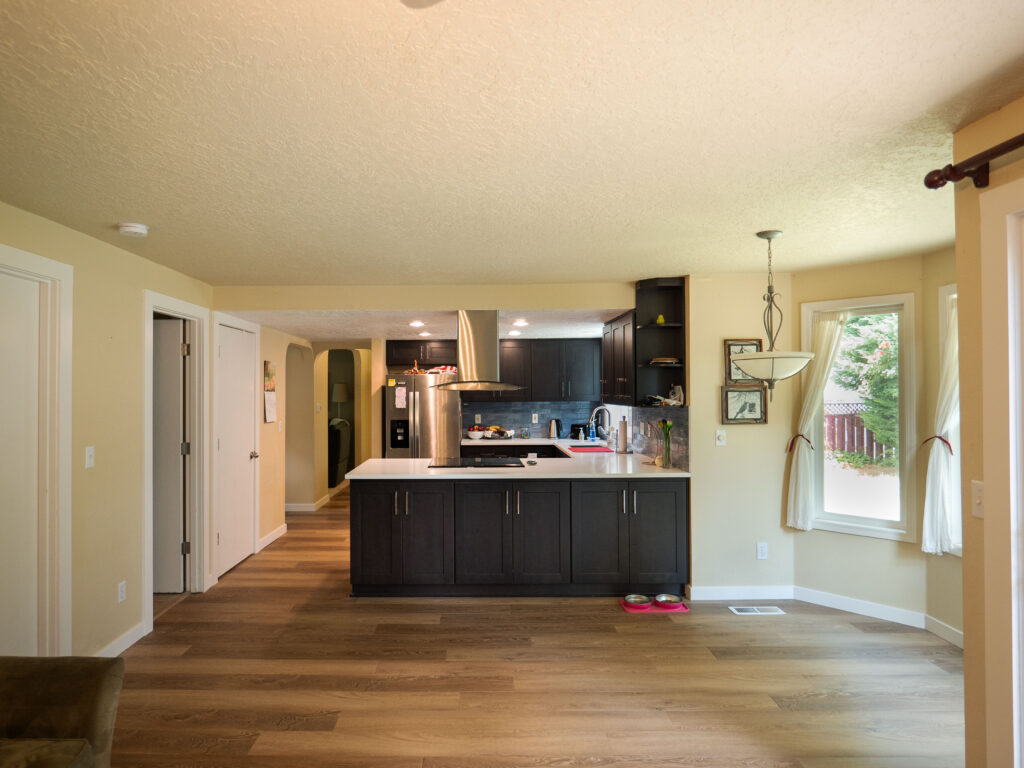
Structural layout changes also influence how natural light moves through a home. Poor layouts block light, making spaces feel smaller and less inviting.
By repositioning walls, enlarging openings, or adjusting room proportions, Harris & Sons enhances daylight distribution. According to the U.S. Department of Energy, improved natural lighting contributes to both comfort and energy efficiency.
Well-lit layouts feel more open and remain appealing regardless of design trends.
Structural Layout Changes and Energy Performance
Layout decisions affect heating, cooling, and ventilation efficiency. Poorly organized spaces create uneven temperatures and increase energy consumption.
Harris & Sons considers energy performance when making structural layout changes. Openings, room sizes, and circulation paths are planned to support consistent airflow and thermal balance.
ENERGY STAR emphasizes the importance of thoughtful design in maintaining efficient home performance over time.
Remodeling for Future Flexibility
Homes that adapt easily require fewer renovations over time. Structural layout changes that prioritize flexibility reduce long-term costs and disruption.
Harris & Sons designs layouts that accommodate future needs without major structural intervention. This may include multipurpose rooms, adaptable circulation, or spaces designed to evolve.
Future-focused planning protects homeowners from costly changes later in life.
Why Professional Expertise Matters
Structural layout changes are complex and require coordination across design, engineering, and construction disciplines. Mistakes can compromise safety, performance, or resale value.
Harris & Sons brings experience, technical knowledge, and careful planning to every project. Their team ensures that layout changes are executed correctly and aligned with long-term goals.
Professional guidance transforms structural remodeling from a risk into a reliable investment.
How Harris & Sons Approach Layout-Driven Remodeling
At Harris & Sons, layout changes are never treated as isolated decisions. Each modification is evaluated within the context of the entire home.
Their process includes:
- Understanding how homeowners use their space
- Identifying functional challenges
- Designing structural solutions that support long-term living
- Executing changes with precision and care
This holistic approach ensures that every structural layout change enhances daily life and future value.
Conclusion: Building Homes That Work for the Long Run
Surface updates fade, but structure endures. Structural layout changes define how a home functions today and how it adapts tomorrow.
By prioritizing flow, flexibility, and thoughtful organization, homeowners can create spaces that remain comfortable, efficient, and enjoyable for years to come.
If you are considering a remodel and want changes that truly improve how your home works, Harris & Sons is ready to help. Contact their team to discuss how structural layout changes can transform your home into a space designed for long-term functionality.
External & Internal Links
External Links
- U.S. Department of Housing and Urban Development
- International Code Council
- U.S. Department of Energy
- ENERGY STAR

