
Noise is one of the most overlooked issues in residential construction. Homeowners often focus on how a space looks, how large it feels, or how modern the finishes appear, yet sound quietly determines whether a home actually feels comfortable. From traffic and neighborhood activity to voices carrying through walls or footsteps echoing from above, unwanted noise can disrupt daily life in ways that are difficult to ignore once noticed.
Remodeling for noise control is not about creating a silent house. It is about designing a living environment where sound behaves predictably, stays where it belongs, and supports how people actually live. At Harris & Sons, this understanding is integrated into remodeling projects from the earliest planning stages. Construction choices—many of them invisible once the work is complete—play a critical role in shaping how sound travels through a home.
This guide explores how thoughtful remodeling decisions influence sound quality, which construction methods matter most, and how working with an experienced contractor like Harris & Sons leads to quieter, more comfortable living spaces.
Understanding How Sound Behaves Inside a Home
Sound does not move randomly. It follows physical rules that determine how noise travels, reflects, and amplifies within a structure. In residential environments, sound reaches unwanted areas in two primary ways: airborne transmission and structure-borne vibration.
Airborne noise includes voices, music, televisions, and traffic. These sounds move through the air and slip through gaps, thin surfaces, and shared cavities. Structure-borne noise travels when vibrations move through framing, floors, ceilings, or plumbing lines. Footsteps on an upper floor or water rushing through pipes are common examples.
Many homes were built with minimal consideration for acoustics. Standard framing techniques, lightweight drywall, and open floor plans allow sound to move freely. Remodeling for noise control begins with identifying how sound currently travels through a home and determining which construction elements contribute to the problem.
At Harris & Sons, evaluating sound behavior is part of the broader remodeling assessment. By understanding how noise enters and spreads, the team can design solutions that improve sound quality without compromising layout, aesthetics, or structural integrity.
Why Noise Control Has Become a Remodeling Priority
Modern lifestyles have changed how homes are used. Remote work, online learning, and multi-generational living mean more people occupy the same space for longer periods. Noise that was once tolerable now interferes with concentration, privacy, and rest.
Homeowners frequently contact Harris & Sons with concerns that are indirectly related to sound. They describe difficulty working from home, children disrupting virtual meetings, or bedrooms that never feel restful. Remodeling for noise control addresses these issues at their source rather than relying on temporary fixes.
Beyond comfort, quieter homes offer long-term value. Properties with controlled sound environments are especially appealing in dense neighborhoods or near busy streets. According to the U.S. Environmental Protection Agency, long-term exposure to noise pollution can affect health and well-being, making sound-conscious homes increasingly desirable.
Noise control is no longer a luxury feature. It has become a practical component of high-quality residential remodeling.
Structural Design Choices That Influence Sound
The structure of a home determines how sound moves through it. Remodeling projects provide an opportunity to improve acoustic performance by modifying or reinforcing these structural elements.
Wall Construction and Framing
Walls are the primary barriers between rooms, yet standard wall assemblies often allow significant sound transfer. Thin drywall, shared studs, and hollow cavities create direct pathways for noise.
Harris & Sons frequently enhances wall performance during remodeling by adding mass, modifying framing layouts, or installing sound-absorbing insulation. These changes reduce vibration transfer and absorb sound energy before it reaches adjacent spaces.
In many cases, homeowners are surprised by how much quieter a home feels after wall assemblies are upgraded, even when visual finishes remain unchanged.
Floors and Ceilings
Sound moves vertically just as easily as it does horizontally. Footsteps, dropped objects, and movement across upper floors can create persistent noise below.
During remodeling, Harris & Sons evaluates floor assemblies and ceiling cavities to identify opportunities for improvement. Underlayment materials, insulated joist spaces, and vibration-isolating techniques reduce noise transmission between levels.
These construction choices are especially valuable in multi-story homes where privacy between floors is essential.
Insulation: More Than Thermal Comfort
Insulation is often associated with temperature control, but it also plays a critical role in sound absorption. Not all insulation materials perform equally when it comes to noise reduction.
Acoustic insulation is denser and designed to absorb sound waves rather than reflect them. When installed in walls, floors, and ceilings, it reduces echo and minimizes sound transfer between spaces.
The U.S. Department of Energy highlights the benefits of properly installed insulation for both energy efficiency and indoor comfort, including noise reduction.
Harris & Sons selects insulation materials based on the specific needs of each remodeling project. By integrating acoustic insulation where it matters most, they improve sound quality without unnecessary material use.
Doors and Windows as Sound Control Elements
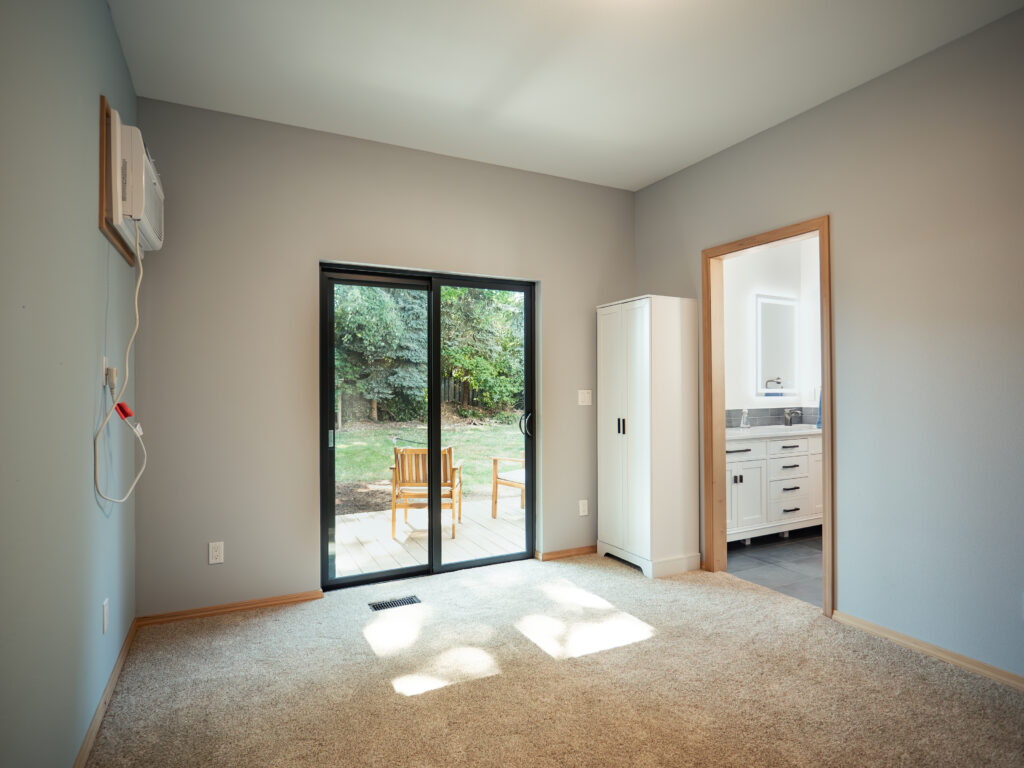
Even well-insulated walls can be undermined by doors and windows that allow noise to pass through easily. These openings are often the weakest points in a home’s acoustic envelope.
Interior and Exterior Doors
Hollow-core doors are common in many homes, yet they offer minimal sound resistance. Replacing them with solid-core alternatives significantly reduces noise transmission between rooms.
During remodeling, Harris & Sons often recommends door upgrades for home offices, bedrooms, and media rooms. Proper sealing and hardware selection further enhance sound control.
Windows and Exterior Noise
External noise is a major concern for homeowners near roads or active neighborhoods. Window selection plays a critical role in controlling how much sound enters the home.
Multi-pane windows, laminated glass, and tight seals disrupt sound waves before they reach interior spaces. According to ENERGY STAR, high-performance windows contribute to both quieter interiors and improved efficiency.
By coordinating window upgrades with broader remodeling plans, Harris & Sons ensures both aesthetic and acoustic improvements are achieved.
Plumbing and Mechanical Noise Considerations
Noise does not only come from people or traffic. Plumbing systems, HVAC equipment, and appliances can generate persistent background sound that affects comfort.
Pipes running through walls or ceilings often transmit vibration, especially when water flow changes abruptly. Mechanical rooms located near living spaces may produce humming or rattling sounds.
Harris & Sons addresses these issues during remodeling by isolating mechanical systems, securing pipes, and using sound-dampening materials where needed. These adjustments reduce disruptive noise without altering system performance.
Thoughtful mechanical planning is an often-overlooked aspect of remodeling for noise control, yet it makes a noticeable difference in daily living.
Open Floor Plans and Acoustic Challenges
Open layouts are popular for their visual appeal and sense of space, but they can amplify sound problems. Without physical barriers, noise travels freely and reflects off hard surfaces.
Harris & Sons approaches open-plan remodeling with sound behavior in mind. Strategic placement of partial walls, ceiling treatments, and material transitions helps manage noise while preserving openness.
Soft surfaces, such as area rugs or upholstered elements, also play a role in absorbing sound. When integrated intentionally, these features improve acoustics without compromising design.
Acoustic Finishes That Improve Interior Sound Quality
While structural solutions block sound, finishes influence how sound behaves within a room. Echo, reverberation, and sharp acoustics often result from excessive hard surfaces.
Wall coverings, ceiling materials, and flooring choices all affect sound reflection. Harris & Sons helps homeowners select finishes that balance durability, appearance, and acoustic performance.
Acoustic panels, for example, can be incorporated into design features rather than appearing technical. Flooring transitions can reduce footstep noise while maintaining visual continuity.
These finishing choices enhance comfort and create spaces that feel calmer and more inviting.
Remodeling for Privacy in Shared Living Spaces
Privacy is a major motivation behind remodeling for noise control. Whether separating bedrooms, creating a dedicated office, or improving guest accommodations, sound isolation supports functional living.
Harris & Sons frequently designs remodeling solutions that address privacy without drastic layout changes. Improved wall assemblies, door upgrades, and strategic room placement all contribute to better sound separation.
These changes are especially valuable for families, shared households, or homeowners who frequently host guests.
Noise Control in Urban and High-Density Neighborhoods
Homes in busy areas face unique acoustic challenges. Street traffic, construction activity, and nearby neighbors contribute to constant background noise.
Remodeling for noise control in these environments requires a comprehensive approach. Harris & Sons evaluates exterior walls, window systems, and entry points to reduce external sound intrusion.
Urban homeowners often report dramatic improvements in comfort after sound-focused renovations, even when exterior conditions remain unchanged.
Long-Term Value of Noise-Conscious Remodeling
Unlike cosmetic upgrades, noise control improvements continue delivering benefits long after a project is complete. A quieter home supports better sleep, improved focus, and reduced stress.
From a resale perspective, sound-controlled interiors add perceived value. Buyers increasingly recognize the importance of comfort beyond appearance.
Harris & Sons approaches remodeling as a long-term investment, ensuring that construction choices contribute to durability, livability, and homeowner satisfaction.
Why Professional Planning Makes the Difference
Soundproofing is not a one-size-fits-all solution. Effective remodeling for noise control requires an understanding of construction methods, material behavior, and how people use their spaces.
Professional contractors coordinate sound solutions with structural requirements, building codes, and design goals. Poorly planned soundproofing can create unintended issues, such as moisture buildup or compromised ventilation.
Harris & Sons integrates noise control into the broader remodeling strategy, ensuring every decision supports the home as a whole.
Remodeling for Noise Control with Harris & Sons
At Harris & Sons, remodeling for noise control is approached with intention and expertise. Their team understands that sound quality shapes how a home feels just as much as light, layout, or finishes.
From initial consultation through final construction, Harris & Sons evaluates how sound moves through a home and applies proven building techniques to improve comfort. Whether addressing external noise, room-to-room sound transfer, or mechanical disruptions, their work reflects a commitment to thoughtful craftsmanship.
If you are planning a remodel and want a home that feels calmer, more private, and better suited to modern living, Harris & Sons is ready to help. Contact their team today to discuss how remodeling for noise control can transform your living environment.
External & Internal Links
External Links
- U.S. Environmental Protection Agency – Noise and Health
- U.S. Department of Energy – Insulation and Home Comfort
- ENERGY STAR – High-Performance Windows and Efficiency

