
Understanding How Homes Respond to Natural Light
Natural light has a profound influence on how a home is experienced, yet many properties fail to use it effectively. In most cases, darkness indoors is not caused by a lack of windows but by how interior elements interfere with light distribution. Walls, finishes, and layout choices often shape brightness more than the number of openings themselves. Remodeling for natural light focuses on improving these internal conditions rather than expanding the building. Harris and Sons approach each project by first analyzing how daylight behaves within the existing structure.
Their process begins with observation rather than intervention. By studying how sunlight enters during different times of day, they identify where light is absorbed, blocked, or redirected inefficiently. This helps reveal opportunities that do not require structural enlargement. Instead of defaulting to construction-heavy solutions, Harris and Sons focus on optimizing what already exists within the home.
Light behavior is also influenced by seasonal variation and orientation. Morning and afternoon light differ significantly in intensity and angle, which affects how rooms feel throughout the day. According to ENERGY STAR guidelines, maximizing daylight can reduce energy consumption while improving interior comfort. Harris and Sons incorporate this understanding into their planning process to ensure long-term performance.
Ultimately, improving natural light begins with understanding its movement. Once that is clear, homeowners can achieve meaningful transformation without increasing square footage or altering the home’s footprint.
Layout Adjustments That Improve Interior Brightness
Interior layout plays a central role in how light moves through a home. Even spaces with adequate windows can feel dim if walls or partitions interrupt illumination flow. Remodeling for natural light often begins by rethinking how rooms connect rather than expanding them. Harris and Sons specialize in identifying where structural or semi-structural adjustments can significantly improve brightness.
In many homes, walls divide spaces that would benefit from shared light exposure. Removing or modifying these barriers allows daylight to travel more freely, reducing shadowed areas and improving overall continuity. Harris and Sons carefully evaluate which walls can be adjusted without compromising structural integrity. Their solutions often include partial openings or reconfigured transitions that maintain function while enhancing brightness.
Structural safety remains a priority throughout this process. The International Code Council provides guidelines for maintaining building integrity during modifications, and Harris and Sons strictly adhere to these standards. When load-bearing elements are involved, reinforcement systems are introduced to ensure stability.
These layout changes create more than just visual improvement. They also enhance how a home feels by establishing a stronger connection between spaces. The result is a more cohesive environment where light becomes a shared feature rather than a confined element.
Surface Materials and Their Effect on Light Distribution
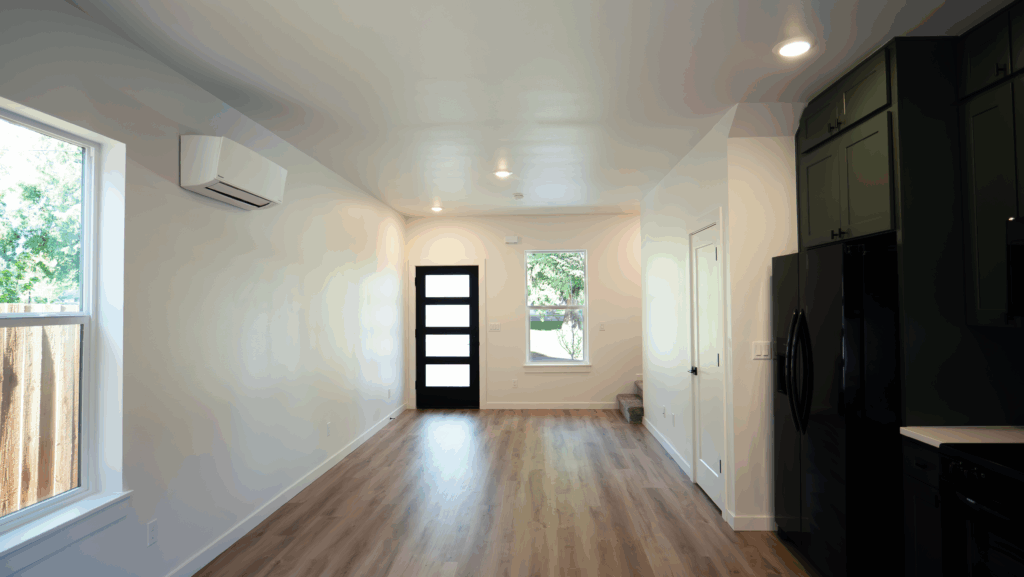
While layout controls movement, materials determine how light behaves once inside. Surfaces can either absorb, reflect, or diffuse daylight, significantly affecting brightness levels. Remodeling for natural light often involves selecting finishes that support better illumination without overwhelming design aesthetics. Harris and Sons approach materials as an active component of lighting strategy.
Light-toned walls, soft reflective finishes, and carefully balanced textures help distribute daylight more evenly across interior spaces. These choices reduce harsh contrast and minimize dark corners. Harris and Sons often combine multiple material types to achieve a layered lighting effect rather than relying on a single surface solution.
Flooring also plays a crucial role in this system. Lighter flooring materials can reflect light upward, subtly increasing overall brightness. Darker surfaces tend to absorb illumination, which can be useful in specific design contexts but may reduce overall light efficiency. Harris and Sons evaluate these interactions carefully to maintain consistency throughout the home.
By aligning material selection with lighting behavior, they create interiors that feel naturally bright without artificial enhancement. This ensures long-term comfort and visual balance across all rooms.
Window Enhancements Without Structural Expansion
Windows are often the most obvious starting point when homeowners think about improving brightness, yet they are frequently misunderstood as the only solution. In reality, many homes already have sufficient openings, but their performance is limited by outdated framing, poor placement, or inefficient design choices. Improving natural illumination does not always require adding new windows or expanding exterior walls. Instead, it often comes down to refining how existing features function within the overall structure. Harris and Sons approach this stage with a focus on optimization rather than expansion, ensuring that every adjustment serves a clear purpose.
One of the most effective strategies involves reassessing window proportions and how they relate to surrounding walls. Even small modifications, such as adjusting sill height or increasing glass surface within existing frames, can dramatically change how daylight enters a room. Harris and Sons carefully evaluate whether subtle alterations can achieve the desired improvement without altering the architectural footprint. This method allows homeowners to avoid unnecessary structural disruption while still gaining noticeable enhancements in brightness and comfort.
Another important consideration is how window placement interacts with interior zoning. A well-positioned opening can illuminate multiple areas if the layout supports light flow. Conversely, poorly aligned spaces may block even the strongest daylight. Harris and Sons often study sightlines from room to room to determine how light behaves after entering the home. This level of analysis ensures that improvements extend beyond a single space and positively affect the entire interior environment.
Energy performance also plays a significant role in window optimization. According to guidance from the U.S. Department of Housing and Urban Development , properly designed and maintained windows contribute to both comfort and efficiency. Harris and Sons incorporate these principles by selecting solutions that enhance thermal performance while maximizing daylight. This dual focus ensures that homeowners benefit from both visual improvement and long-term energy stability.
Ultimately, refining window systems is about making existing architecture work harder rather than adding more to it. Harris and Sons consistently demonstrate that thoughtful adjustments can produce results that rival full-scale expansions. The outcome is a home that feels brighter, more open, and more connected to its surroundings without requiring major construction work.
A Real Harris and Sons Renovation Example
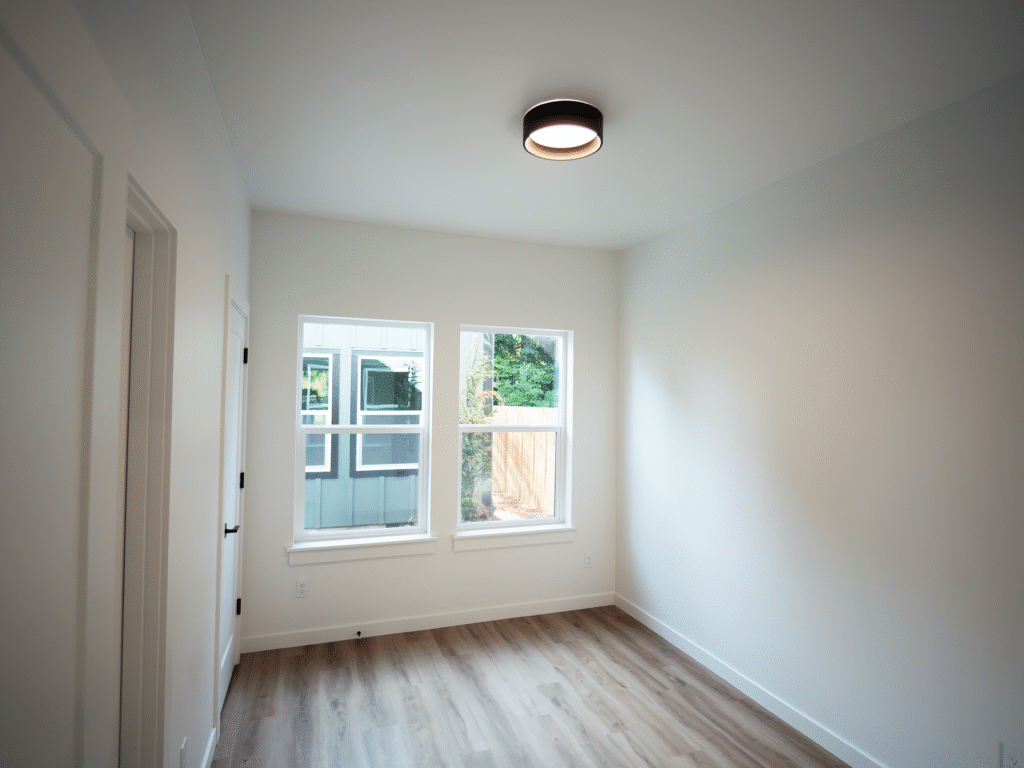
In one notable residential project, Harris and Sons were brought in to address a home that felt persistently dim despite having multiple exterior windows. The homeowners initially believed the solution would require adding new openings or even extending parts of the structure. However, after a detailed assessment, it became clear that the issue was not the number of windows but how interior design limited the distribution of daylight. Certain rooms acted as barriers rather than channels for light movement.
Instead of proposing structural expansion, Harris and Sons reimagined the interior flow of the home. They adjusted wall alignments, introduced selective openings between key spaces, and refined surface materials to improve reflectivity. These changes allowed light to travel deeper into the home without altering its external footprint. The design strategy focused entirely on improving internal relationships between spaces rather than increasing square footage.
As work progressed, the transformation became increasingly visible. Rooms that previously required artificial lighting during the day began receiving consistent natural illumination. The home developed a more cohesive feel, with light acting as a unifying element across different areas. The homeowners were particularly surprised by how significant the change felt despite the absence of structural additions.
This project reflects Harris and Sons’ broader philosophy that effective remodeling for natural light is not about building more, but about understanding what already exists. By working with the home’s original structure rather than against it, they delivered a result that felt both efficient and architecturally respectful.
Long-Term Advantages of Improving Natural Light
The benefits of enhancing daylight extend far beyond immediate visual improvement. One of the most noticeable changes homeowners experience is an overall shift in how spaces feel throughout the day. Brighter interiors tend to feel more open, less confined, and more supportive of daily activities. This emotional impact often becomes one of the most valued outcomes of remodeling for natural light, even more so than aesthetic upgrades.
From a functional standpoint, improved daylight can also reduce dependence on artificial lighting systems. This leads to lower energy usage over time, which contributes to both environmental responsibility and reduced utility costs. Harris and Sons consistently integrate these considerations into their planning process, ensuring that design decisions support long-term efficiency as well as comfort. The result is a home that performs better on multiple levels without requiring additional infrastructure.
There is also a noticeable impact on property value when natural light is improved effectively. Homes that feel bright and balanced tend to attract stronger interest in the real estate market. Buyers often associate daylight with quality construction and thoughtful design, even if they cannot immediately identify the technical reasons behind it. Harris and Sons take this into account when shaping renovation strategies, ensuring that improvements contribute to both lifestyle enhancement and future resale potential.
Beyond financial and environmental benefits, there is a subtle but important influence on well-being. Studies have consistently shown that exposure to natural light supports better sleep cycles, improved focus, and overall mood stability. By improving how daylight enters and circulates within a home, Harris and Sons help create environments that support healthier daily living without requiring lifestyle changes from homeowners.
Conclusion: Designing With Light in Mind
Improving a home’s relationship with natural light does not require dramatic construction or large-scale expansion. Instead, it relies on understanding how architecture, materials, and layout work together to shape illumination. When these elements are carefully adjusted, even subtle changes can produce meaningful transformation. Harris and Sons have consistently demonstrated that effective design is less about adding more and more about refining what already exists.
Their approach to remodeling for natural light focuses on precision and intentionality. Every decision is guided by how light moves, reflects, and interacts with interior spaces. Rather than relying on structural additions, they prioritize strategies that maximize existing potential. This allows homeowners to achieve brighter, more comfortable environments without unnecessary disruption or cost.
What makes this approach particularly valuable is its long-term sustainability. Homes that are designed with light in mind tend to feel better year after year, without requiring constant adjustment or upgrades. The improvements remain relevant as lifestyles change, ensuring that the space continues to function effectively over time. Harris and Sons build with this longevity in mind, creating results that remain stable and beneficial well into the future.
Ultimately, natural light is one of the most powerful yet underutilized design elements in residential spaces. When approached thoughtfully, it can redefine how a home is experienced without altering its footprint. Harris and Sons continue to refine this balance between structure and illumination, helping homeowners achieve spaces that feel brighter, more open, and more naturally aligned with everyday living.
